

Online Patient Registration

How Quickly Can You Reverse Poor Oral Hygiene?
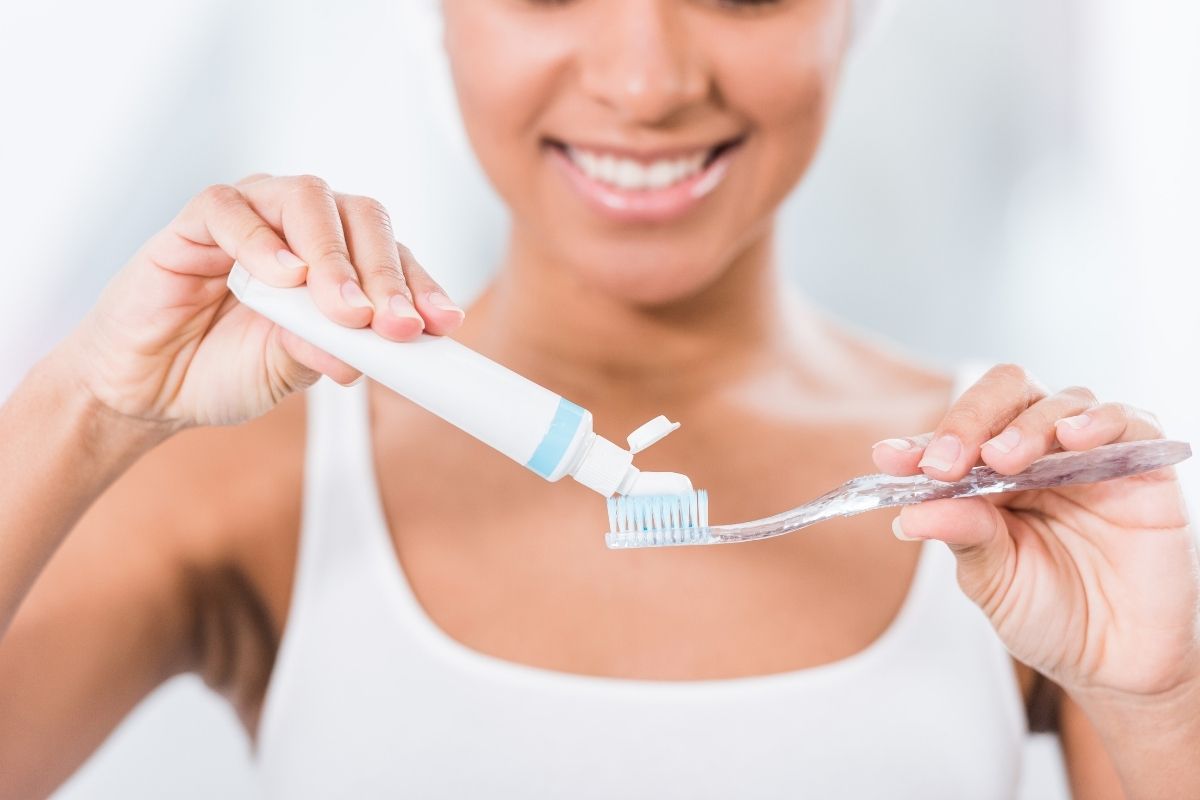
Poor oral hygiene can sneak up on anyone. Skipping brushing or flossing occasionally, indulging in sugary treats, or neglecting dental visits may not seem like a big deal at first. But over time, these habits can lead to plaque buildup, gum irritation, bad breath, and even tooth decay. The good news? With consistent care and attention, much of the damage can be reversed—sometimes faster than you might expect.
Understanding the Damage
What Happens When You Neglect Oral Care
When oral hygiene slips, plaque—a sticky film of bacteria—accumulates on your teeth. If left untreated, this can harden into tartar, irritate your gums, and even erode enamel. Early-stage problems, like mild gum inflammation and surface stains, are usually reversible with proper care. More advanced issues, such as deep cavities or severe gum disease, require professional intervention.
Signs You Need to Act Fast
Some signs indicate that your oral health needs immediate attention:
1. Bleeding or swollen gums
2. Persistent bad breath
3. Discoloration or plaque buildup
4. Sensitivity while eating or drinking
Noticing these early can help you reverse problems before they become permanent.
Steps to Reverse Poor Oral Hygiene
Brush and Floss Consistently
Brushing twice daily and flossing once daily is non-negotiable. Focus on gentle, thorough brushing for at least two minutes, covering all surfaces of your teeth. Flossing removes plaque in areas your toothbrush can’t reach, preventing gum inflammation and cavities.
Upgrade Your Diet and Hydration
Sugary and acidic foods feed bacteria in your mouth. Swap sodas and candy for water, fresh fruits, and vegetables. Staying hydrated keeps your saliva flowing, which naturally protects your teeth by washing away debris and neutralizing acids.
Professional Cleanings Are Crucial
Even with diligent home care, an experienced dental practitioner can remove hardened tartar and assess early signs of decay or gum disease. Their guidance ensures that you’re not just treating symptoms but preventing long-term problems.
Use Targeted Oral Care Products
Mouth rinses with antibacterial properties, fluoride toothpaste, and soft-bristle brushes can accelerate improvements. These products complement your routine by reducing bacteria and strengthening enamel.
Maintain a Consistent Routine
Oral health recovery is not instant—it’s a process. Typically, noticeable improvements in gum inflammation or plaque reduction can appear within a few weeks of consistent care. Long-term benefits, like stronger enamel and healthier gums, develop over months.
How Long Until You See Results?
The timeline depends on the severity of neglect:
Mild neglect: A few weeks of proper care may restore the gums and significantly reduce plaque.
Moderate neglect: One to three months of consistent dental hygiene and professional cleaning is often needed.
Severe neglect: Advanced cases with cavities or gum disease require dental treatments first, followed by months of careful home care.
The key takeaway is that early intervention speeds recovery and makes it easier.
Take Charge of Your Smile Today in Sandusky, MI
Reversing poor oral hygiene starts with simple, consistent steps. But nothing replaces the guidance of a professional. Visit our dental clinic in Sandusky, MI, to work with caring experts who can restore your smile and guide you toward lasting oral health. With the right plan, a healthier, brighter smile is closer than you think.
FAQs About Reversing Poor Oral Hygiene
Here’s what many people ask when they’re ready to reclaim their oral health:
1. Can brushing alone reverse years of neglect?
Brushing helps, but flossing, diet changes, and professional care are essential for meaningful results.
2. How soon should I see a dentist if my gums bleed?
Schedule a visit as soon as possible. Early-stage gum inflammation can often be reversed, but delayed care may lead to more serious issues.
3. Will whitening treatments help reverse the damage?
Whitening can improve appearance, but doesn’t address underlying gum disease or cavities. Focus on overall oral health first.
4. Can I reverse cavities naturally?
Small enamel lesions can sometimes be remineralized with fluoride, but true cavities usually require dental treatment.