


Online Patient Registration

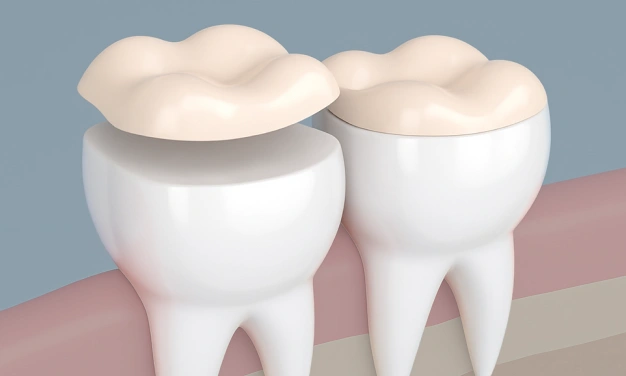
Restore Your Smile With Inlays and Onlays
Inlays and onlays are often referred to as partial crowns. They use the existing tooth as a base and fit the inlay or onlay onto the tooth. This is done to strengthen the tooth, restore its shape, and prevent further damage. An inlay is done when there is no damage to the cusps of the tooth and the inlay can be placed right on the tooth. An inlay is used when the damage is a little more extensive.
How Are Inlays and Onlays Applied?
First Appointment
The decayed area of the tooth is first removed during the procedure. A mold of the tooth is then taken and sent to a dental lab. They create a restoration made from porcelain, gold, or a composite resin. The restoration takes about 2-3 weeks to make, so a temporary inlay or onlay will be placed on the tooth for that time.
Second Appointment
At the second appointment, the temporary sealant is removed. The inlay or onlay will be placed into your mouth and set with cement. Your tooth will look natural and you or anyone else won’t be able to tell the difference.
Considerations for Inlays and Onlays
Traditional fillings can reduce the strength of a natural tooth by up to 50 percent. Alternatively, inlays and onlays, which are bonded directly onto the tooth, using special high-strength resins, actually increase the strength of a tooth by up to 75 percent. As a result, they typically last from 10 to 30 years. In some cases, where the damage to the tooth is not extensive enough to merit an entire dental crown, onlays provide a very good alternative.