


Online Patient Registration

Safe and Simple Wisdom Tooth Removal
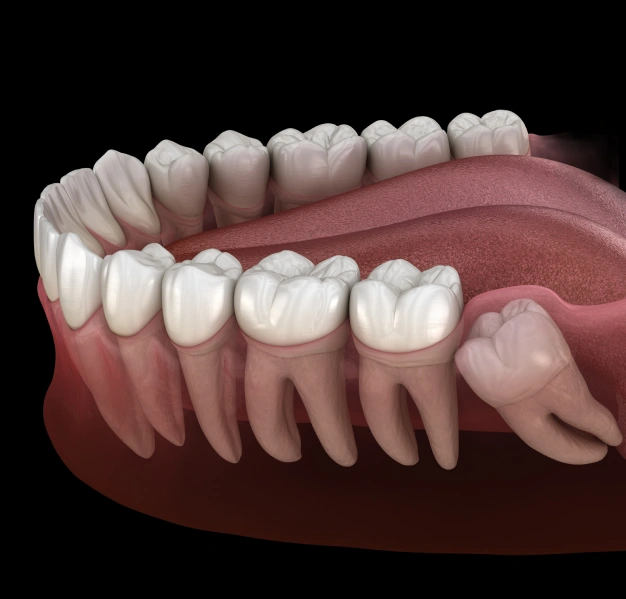
Wisdom teeth extractions are a fairly common procedure. Wisdom teeth often cause problems as they are trying to protrude through the gums. When a wisdom tooth is impacted, it means the tooth is coming in at an angle and not straight through the gum line. This can cause pain, the tooth can come in unevenly, or the tooth may only emerge partially.
When a wisdom tooth only emerges partially a flap of skin, called an operculum, may form over the tooth. This can make the tooth hard to clean, and pieces of food may be caught under the skin. This makes it easy for an infection, called pericoronitis, to develop. It will usually go away on its own, but it causes swelling and pain in the area.
Impacted teeth and wisdom teeth that can potentially cause problems, like infections, need to be removed. Extractions can range from a single tooth, to removing all four wisdom teeth at once. Based on the preference of the doctor and/or the patient, a local anesthetic could be used to numb the areas where the teeth will be extracted. Others will prefer to go under a general anesthetic so that they will be sedated during the procedure.
After the surgery you will need to rest. You need to be driven home by a friend or family member because of the anesthesia. You can expect for the extraction site to bleed for a little while after the surgery. Gauze will be applied at the completion of the surgery, and you will need to change it when it becomes soaked. If bleeding continues for longer than 24 hours you should call your dentist. Rest when you return home, but do not lie flat. This could prolong the bleeding. Prop your head up on a pillow when lying down. Your dentist will prescribe you pain medication, so if you become sore take as directed. You can also use an ice pack for the pain. Your dentist might also provide you with a cleaning solution to clean the extraction site.
What to Eat After Wisdom Tooth Extraction
- Gelatin
- Pudding
- Yogurt
- Mashed Potatoes
- Ice Cream
- Thin Soups
- …and other food you can eat without chewing.
When drinking, make sure you do not use a straw. The sucking motion can loosen your sutures and slow the clotting process. The same goes for smoking. If you have prolonged pain, bleeding, irritation, or don’t feel that the extraction site is healing properly call your dentist for a follow up.
Signs You May Need Wisdom Teeth Removal
Wisdom teeth can sometimes create problems without obvious early signs. As time goes on, you may start to notice issues like:
- Pain or soreness at the back of the mouth
- Jaw stiffness or swelling
- Redness, tenderness, or inflammation of the gums
- Lingering bad breath or unpleasant taste
- Teeth beginning to shift or feel crowded
If you notice any of these symptoms, it’s a good idea to get your wisdom teeth evaluated. Catching problems early often makes treatment easier and recovery faster.
The Wisdom Teeth Removal Process
The process begins with a thorough dental exam, often including digital X-rays, to check the position of your wisdom teeth. At Sanilac Smiles Dental Care in Sandusky, MI, your dentist will review the results, explain whether extraction is needed, and address your concerns.
On the day of the procedure, anesthesia or sedation will be provided based on your comfort level and the complexity of the case. Once the area is numb, the dentist or oral surgeon gently removes the tooth. If a tooth is impacted, a small incision may be necessary, while erupted teeth are usually easier to extract.
Afterward, gauze is placed to help control bleeding, and you’ll receive detailed instructions for home care. The procedure is routine, and most patients are able to resume light activities by the next day.
Benefits of Wisdom Teeth Removal
Removing troublesome wisdom teeth is an investment in your long-term oral health. Here are some of the main benefits:
- Preventing crowding that shifts nearby teeth
- Reducing the risk of gum infection and tooth decay
- Protecting bone and gum health around molars
- Relieving ongoing pain or pressure in the jaw
For many patients, removal is a preventive step that saves them from bigger dental problems down the road.
Schedule Your Appointment
Wisdom teeth may not cause pain immediately, but leaving them unchecked can lead to serious problems later. An evaluation ensures peace of mind and helps your dentist recommend the right treatment. Contact Sanilac Smiles Dental Care in Sandusky, MI today to schedule your wisdom teeth consultation and safeguard your smile.