

Online Patient Registration

Are You Brushing Wrong? Common Mistakes Dentists See Every Day
Brushing your teeth seems simple, but many people get it wrong without even realizing it. Even if you brush twice a day, the way you brush can make a huge difference in your oral health. Poor brushing techniques can lead to cavities, gum issues, and bad breath. Dentists across the country often notice these mistakes, and correcting them can improve your smile dramatically. If you’ve been wondering whether your brushing routine is actually effective, it might be time to check in with a dentist near you to ensure you’re not making these common errors.
Common Brushing Mistakes to Avoid
1. Brushing Too Hard
Many people think aggressive scrubbing removes more plaque, but brushing too hard can wear down enamel and irritate gums. Use gentle, circular motions instead of back-and-forth scrubbing. Your toothbrush should glide across your teeth, not grind them.
2. Using the Wrong Toothbrush
A toothbrush with bristles that are too hard can damage teeth and gums. Dentists recommend a soft-bristled toothbrush that fits comfortably in your mouth, allowing you to reach all surfaces without causing injury. Replace your brush every three months or sooner if the bristles are frayed.
3. Skipping the Gumline
Plaque doesn’t just sit on teeth—it builds up at the gumline too. Many people focus only on the visible surfaces, leaving plaque behind, which can cause gum disease. Angle your toothbrush at 45 degrees to the gums and sweep gently along the line.
4. Brushing Too Quickly
Rushing through brushing is another common mistake. Many people spend only 30 seconds to a minute brushing when the recommended time is two minutes. Divide your mouth into four sections and spend 30 seconds on each to ensure thorough cleaning.
5. Ignoring the Tongue
Bacteria love to hide on the tongue, leading to bad breath and plaque buildup. Gently brush your tongue or use a tongue scraper as part of your routine to keep your mouth fresher and healthier.
6. Brushing Right After Eating
Acidic foods and drinks can soften enamel temporarily. Brushing immediately afterward can wear it down. Wait at least 30 minutes after meals before brushing to protect your enamel.
7. Using Toothpaste Incorrectly
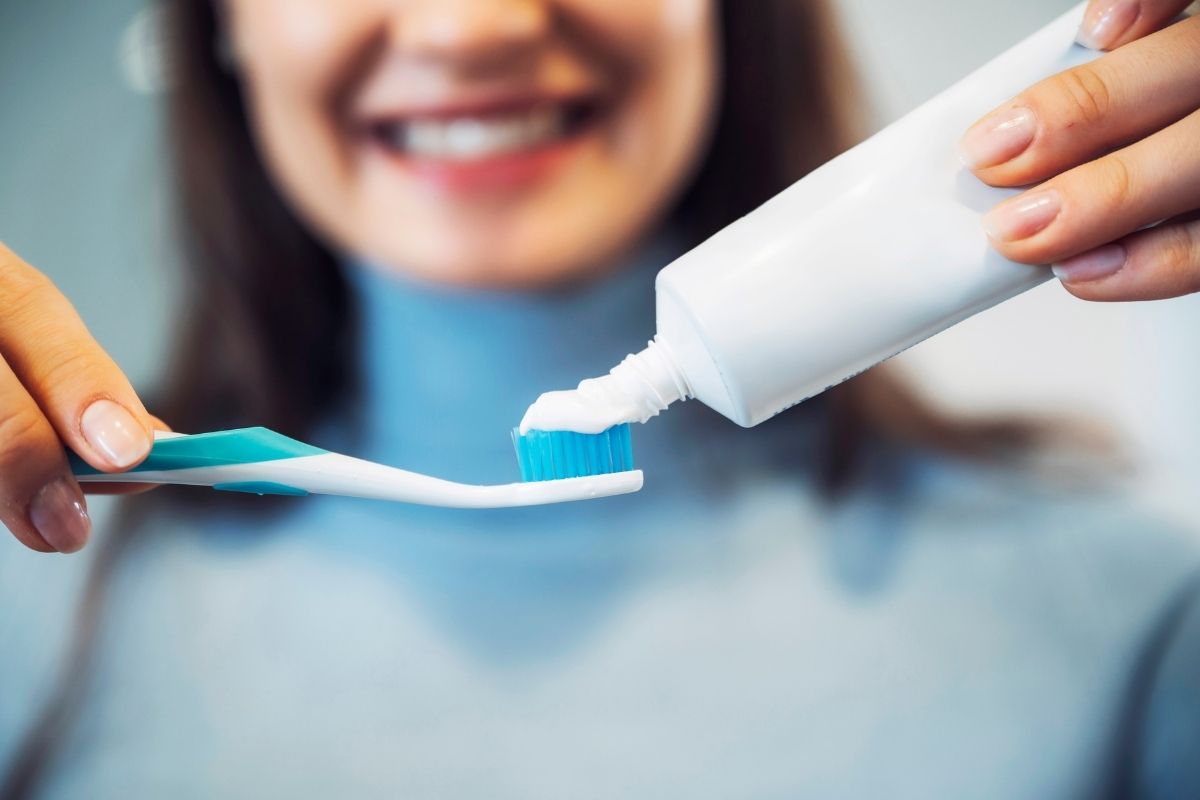
A common misconception is that more toothpaste equals better cleaning. A pea-sized amount is sufficient for adults. Too much toothpaste can create excess foam, making you want to rinse early and shorten your brushing time.
8. Neglecting Regular Replacement
Old, frayed toothbrushes are less effective at cleaning teeth. Replace your toothbrush every three months or after illness to ensure proper plaque removal.
Protect Your Smile the Right Way in Sandusky, MI
Correct brushing habits are the foundation of a healthy smile. If you want to make sure you’re brushing the right way or need a personalized review of your dental routine, it’s time to take action. Visit our dental clinic in Sandusky, MI, and our team will guide you on techniques that protect your teeth and gums. Your smile deserves expert care that lasts a lifetime.
Quick FAQs About Brushing
Curious if you’re brushing correctly? Here are answers to the most common questions we hear:
Q: How often should I brush my teeth?
A: Twice a day for two minutes each session is recommended, plus flossing once a day.
Q: Can I use an electric toothbrush instead of a manual one?
A: Yes! Electric toothbrushes can be highly effective, especially for those who struggle with proper technique.
Q: What’s the best toothpaste for daily use?
A: A fluoride toothpaste is ideal for protecting enamel and preventing cavities.
Q: Is brushing right after meals bad?
A: Wait about 30 minutes after eating, especially acidic foods, to protect enamel from damage.
Q: How can I know if I’m brushing too hard?
A: If your gums bleed or feel sore, you’re likely brushing too aggressively. Gentle circular motions are safer and effective.