

Online Patient Registration

Restorative Dental Treatment for Tooth Decay and Damage
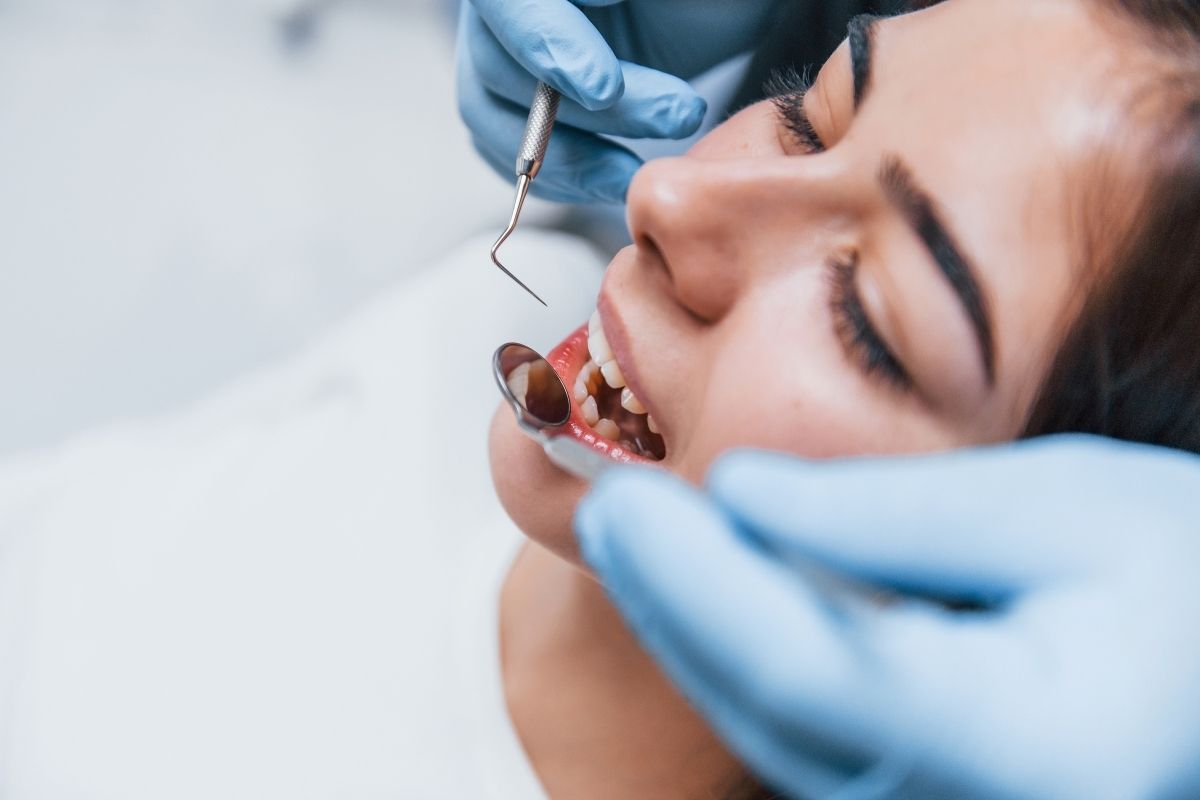
Tooth decay and damage can start small, but they rarely stay that way. A mild sensitivity can turn into pain. A chipped tooth can slowly weaken. Restorative dental treatment focuses on stepping in at the right time to repair damage, restore comfort, and help your teeth function the way they should. The goal is simple: keep your smile healthy, strong, and dependable for everyday life.
From a dental practice perspective, we often see patients who think a problem can wait. In reality, timely care and the right dental restoration procedures help stop decay from spreading and prevent bigger issues down the road. Restorative care is about preserving what you have and rebuilding what has been compromised, always with your long-term oral health in mind.
Why Teeth Need Restorative Care
Tooth decay does not fix itself
Decay begins when bacteria weaken the enamel. Left untreated, it can move deeper into the tooth and affect the inner structure. Restorative treatment removes damaged tissue and seals the tooth to prevent bacteria from entering.
Damage affects more than one tooth
Cracks, worn teeth, or missing teeth can shift your bite. This places extra pressure on surrounding teeth and jaw joints. Restoring balance helps protect your entire mouth, not just one area.
Restorative Dental Services That Rebuild Your Smile
Modern restorative care offers practical solutions designed to feel natural and last. Each option serves a specific purpose, depending on the level of decay or damage.
Dental Crowns
Crowns are used when a tooth has lost strength due to decay or fractures. They cover and protect the remaining structure while restoring normal shape and function. Crowns help you chew comfortably and reduce the risk of further damage.
Dental Sealants
Sealants add a protective layer to the chewing surfaces of teeth that are more prone to decay. While often associated with preventive care, sealants also play a restorative role by protecting vulnerable areas before decay takes hold.
Dental Bridges
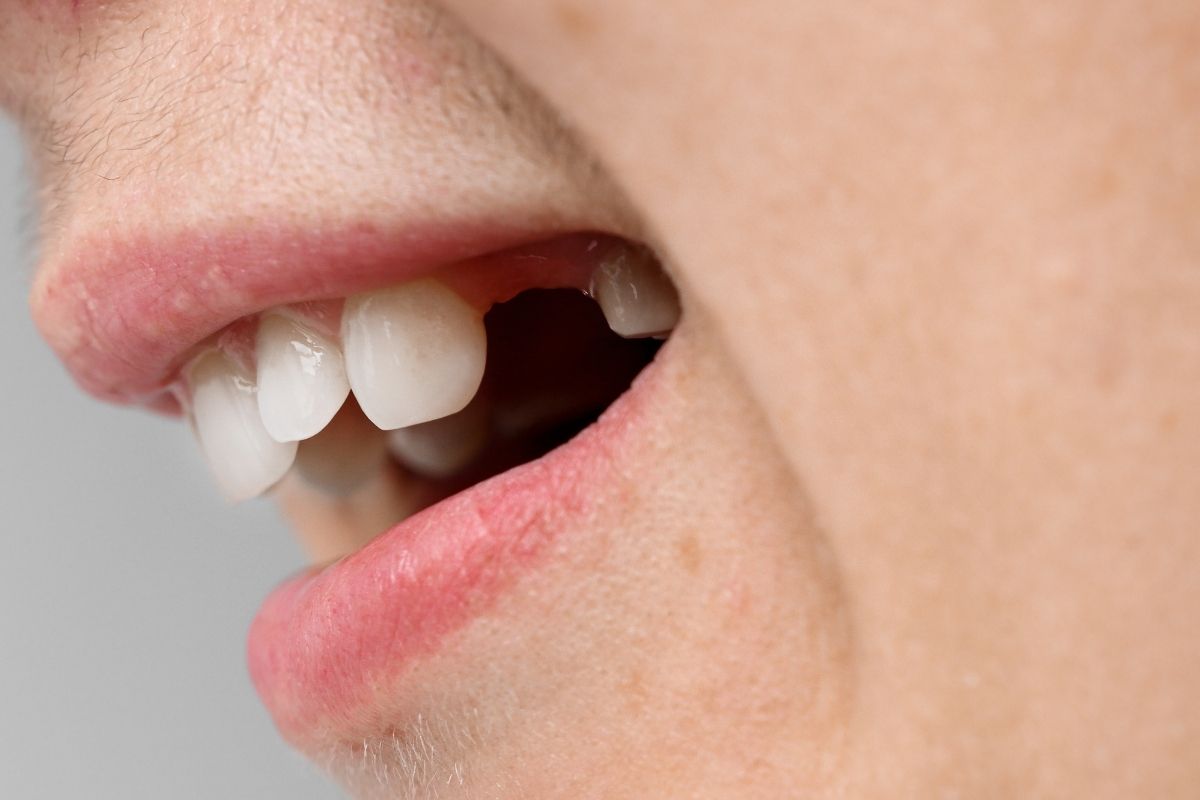
When one or more teeth are missing, bridges help close the gap. They restore your ability to chew properly and prevent nearby teeth from shifting out of place, which can affect your bite over time.
Dentures
Dentures replace multiple missing teeth and support facial structure. Whether partial or full, they help restore daily functions, such as speaking clearly and enjoying meals with confidence.
Dental Implants
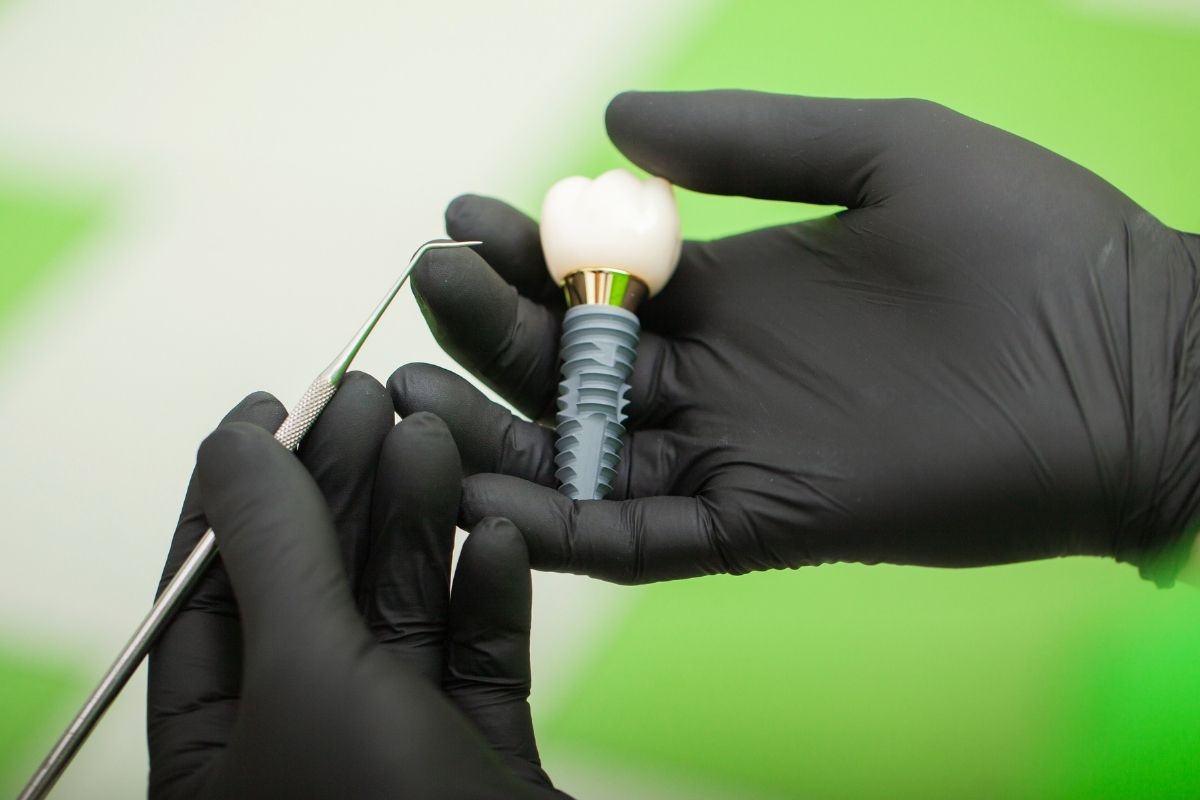
Implants replace missing teeth at the root level. They provide strong support for crowns or restorations and help maintain jawbone health. Implants are designed to feel stable and natural.
Root Canal Therapy
When decay reaches the inner pulp of a tooth, infection can cause pain and swelling. Root canal therapy removes the infected tissue, relieves discomfort, and saves the natural tooth whenever possible.
What to Expect from Restorative Treatment
Restorative care starts with a detailed evaluation. Imaging and exams help identify the extent of decay or damage. From there, treatment is tailored to your needs, focusing on comfort, efficiency, and lasting results. Most procedures allow patients to return to normal routines quickly, with guidance on caring for restored teeth at home.
Real solutions for real smiles, right here in sandusky mi
If tooth decay or damage is affecting how you eat, speak, or smile, it may be time to explore restorative care. The team at Sanilac Smiles Dental Care is here to help you feel confident about your oral health again.
Visit our dental clinic in Sandusky, MI, to learn how restorative treatments can protect your teeth and restore comfort. Schedule your visit today and take a positive step toward a healthier smile.
FAQs :
How long do restorative treatments last?
With good oral hygiene and regular dental visits, many restorations last for years.
Is restorative dental treatment painful?
Most procedures are performed with local anesthesia and are well tolerated.
Can restored teeth look natural?
Yes. Modern materials are designed to blend in with your natural teeth.
How soon should decay be treated?
As early as possible. Prompt care helps prevent pain and the need for more complex treatment later.