Online Patient Registration

Is It Normal for a Dental Implant to Hurt?
Yes, some discomfort is completely normal. Expect mild to moderate soreness, swelling, and tenderness for the first few days, with steady improvement over the next one to two weeks. Pain that gets worse after the first week, throbs constantly, or shows up months later is a different story, and it deserves a call to your dentist.
What Does Normal Implant Pain Feel Like, and How Long Does It Last?
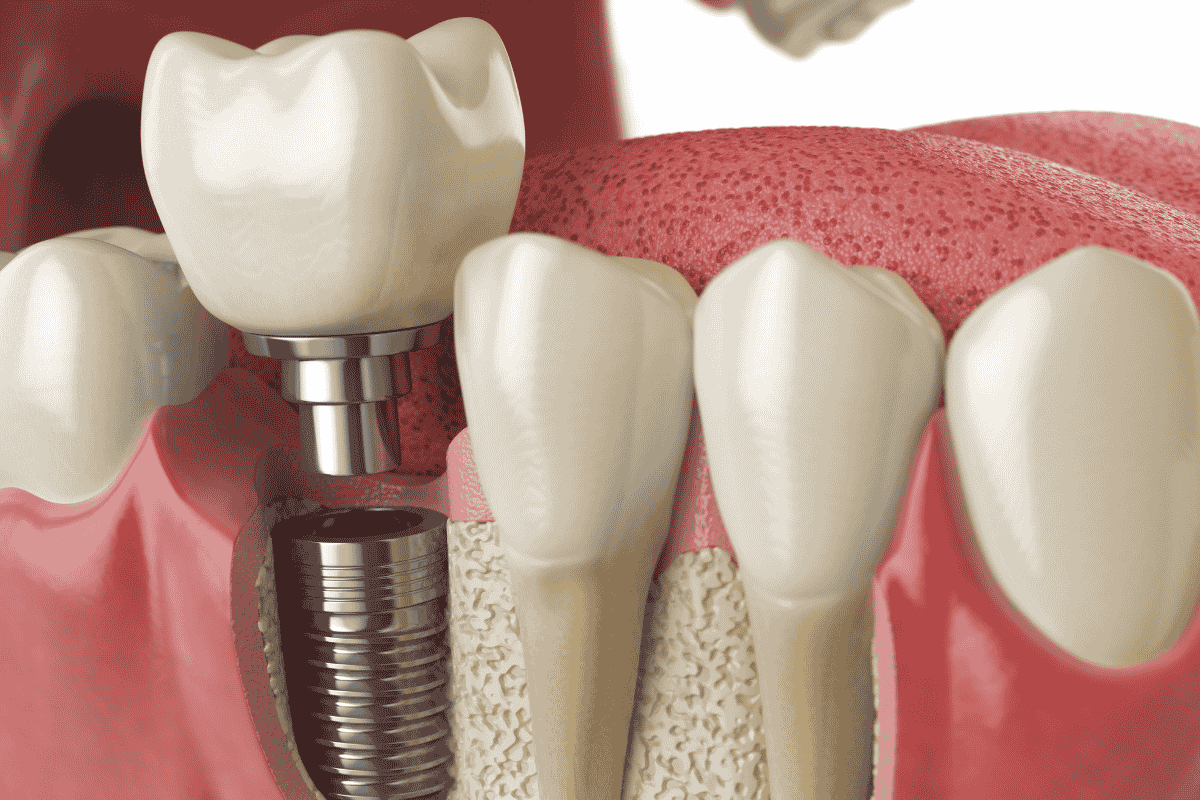
Placing an implant means your dentist creates a small space in your jawbone and sets a titanium post inside it. Your body treats that like any other minor surgery, so you will feel it.
Most people describe a dull ache or tenderness around the site. Your gums may look puffy, your cheek may swell a little, and you might notice light bruising or a small amount of oozing in the first 24 to 48 hours. Discomfort usually peaks around day two or three, then fades. By the end of the first week, most patients feel noticeably better. A little tenderness when you chew can linger for a couple of weeks, especially if you needed a bone graft along with your implant.
A good rule of thumb: normal pain moves in one direction, and that direction is better.
Which Kind of Pain Is Not Normal?
Your implant will tell you when something is off. Pay attention to pain that gets stronger instead of weaker after day five or seven. Other red flags include:
- Throbbing that over-the-counter medication barely touches
- Swelling that grows after the third day
- Pus, a foul taste, or persistent bad breath near the site
- Fever
- Numbness or tingling in your lip, chin, or tongue
- An implant that feels loose or shifts when you press on it
These symptoms can point to infection, a problem with how the implant is healing, or irritation of a nearby nerve. None of them will resolve if you wait and hope.
Why Would an Implant Start Hurting Weeks or Months Later?
Late pain surprises many patients, because they assume the hard part ended long ago. Several things can cause it:
- Peri implantitis. Bacteria inflame the gum and bone around the implant. Early on, you may notice bleeding or tenderness when you brush. Left alone, it can destroy the bone that holds the implant in place.
- Failed bonding with the bone. Sometimes the implant never fuses securely. Smoking, uncontrolled diabetes, and poor bone density raise this risk.
- A bite that hits too hard. If the crown sits slightly high, it takes extra force every time you chew. That strain can irritate the surrounding tissue.
- Nerve irritation. An implant placed close to a nerve can cause tingling or shooting pain.
Your dentist can usually pinpoint the cause with an exam and an X-ray, and catching it early makes treatment far simpler.
How Can You Ease the Soreness at Home?
You can do plenty to keep yourself comfortable while you heal:
- Take pain relievers exactly as your dentist directs. Ibuprofen or acetaminophen works well for most people.
- Hold a cold compress against your cheek for 15 minutes at a time during the first two days.
- Eat soft foods like yogurt, eggs, soup, and mashed potatoes. Chew on the opposite side.
- Start gentle saltwater rinses 24 hours after surgery.
- Skip smoking, straws, and vigorous rinsing. All three can disrupt healing.
- Keep brushing your other teeth, and clean near the site carefully.
When Should You Call Your Dentist?
Call if your pain intensifies, your swelling spreads, or anything on the list above sounds familiar. Fever, trouble swallowing, or swelling that affects your breathing needs urgent medical attention right away. When you are unsure, call anyway. A quick check costs you very little, and it can save your implant.
FAQs :
1. Is it normal for an implant to ache a week later?
Mild tenderness is fine. Pain that is growing or throbbing at that point is not.
2. Does implant pain ever show up years later?
Yes. Gum disease around the implant or a worn or poorly fitting crown can cause it. Regular checkups catch these problems early.
3. Can I take ibuprofen after implant surgery?
Most patients can, but follow the instructions your dentist gave you, especially if you take other medications.
Sore Implant? Let a Dentist Take a Look
Healing should feel like progress, and you should never have to guess whether your pain is normal. Visit our dental clinic in Sandusky and let the team at Sanilac Smiles Dental Care check your implant, answer your questions, and get you comfortable again. Sandusky patients can book online or call the office today, and you will leave knowing exactly what is going on.