

Online Patient Registration

Can Teeth Whitening Damage Your Enamel?
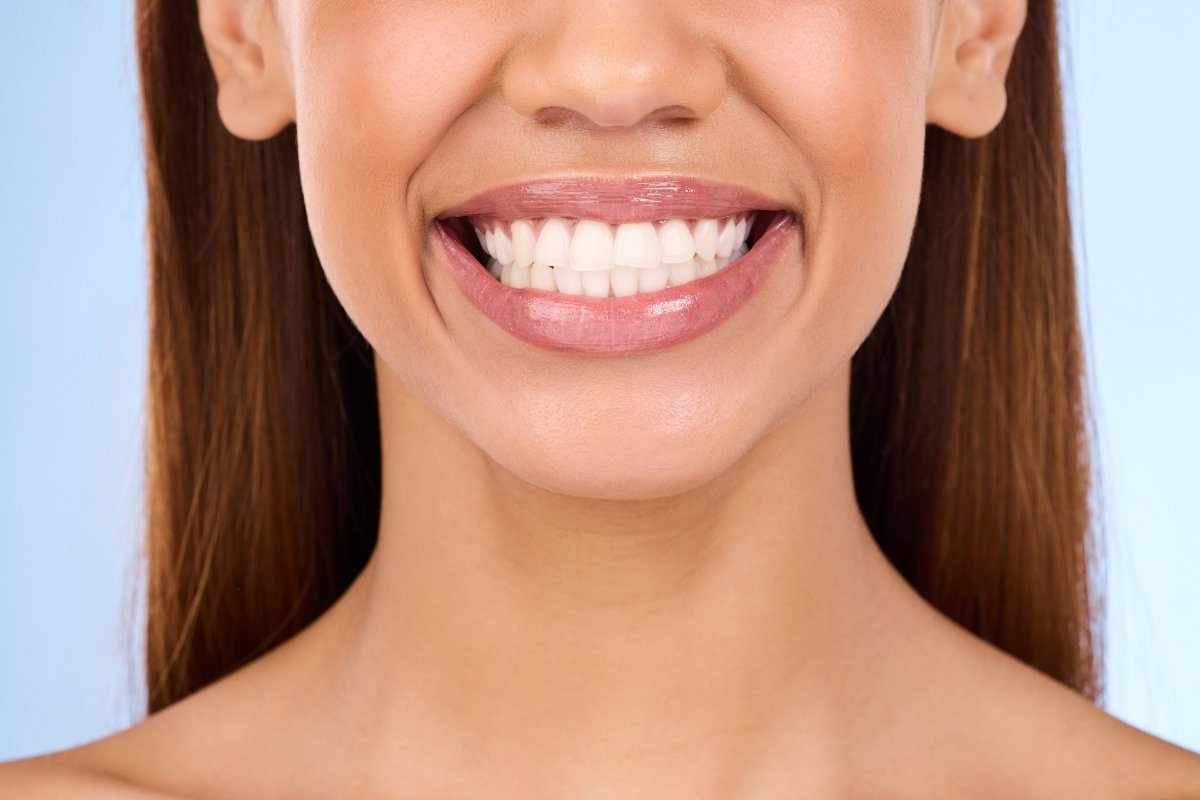
Not when you use it the right way. Whitening products that carry the American Dental Association (ADA) Seal of Acceptance lift stains without stripping away your enamel, and clinical research backs that up. Trouble starts when people push past the directions, grab harsh do-it-yourself fixes, or ignore warning signs. Then you can end up with sensitive teeth, irritated gums, and in some cases real enamel wear. This post walks through what whitening actually does to your teeth, which habits cause harm, and how to brighten your smile without paying for it later.
What Does Whitening Do to Your Teeth?
Enamel is the hard outer shell of each tooth, and it’s the toughest substance in your body. It’s also slightly porous. Coffee, tea, red wine, and tobacco slip into those tiny gaps and leave pigment behind.
Whitening gels contain hydrogen peroxide or carbamide peroxide, which breaks down into hydrogen peroxide. Those molecules travel into the enamel, split apart stain molecules, and make them reflect less color. Whitening doesn’t sand or scrape your enamel the way an abrasive would. It changes the color chemistry inside the tooth.
Does that chemistry hurt the enamel? Lab studies have found small, temporary changes, like slight surface roughness or a brief dip in mineral content right after treatment. Your saliva and the fluoride in your toothpaste restore those minerals over days to weeks. Studies on products used as directed haven’t shown lasting enamel loss. Used as directed, whitening changes the shade of your teeth, not their structure.
What Side Effects Should You Expect?
Sensitivity is the most common complaint. Peroxide passes through enamel toward the layer underneath, called dentin, and can irritate the nerve inside. You may feel quick zings when you sip something cold or breathe chilly air. Studies suggest that more than half of people notice some sensitivity, and it usually fades within a day or two.
Gum irritation comes second. Gel that leaks onto your gums can leave white patches or a burning feeling. Those patches typically clear up within hours to a couple of days.
You might also notice chalky white spots or uneven patches while you whiten. Peroxide temporarily dries out your teeth, which makes existing spots look more obvious. They usually blend back in within about a day.
All of this is common and temporary. If sensitivity lasts longer than a few days, or the pain feels sharp instead of a quick zing, stop whitening and call your dentist.
What Actually Damages Enamel?
Whitening itself rarely causes lasting harm. These habits do:
- Overusing the product. Wearing strips longer than the directions say, whitening every day for weeks, or repeating rounds too soon exposes your teeth to more peroxide without giving them time to recover. More exposure doesn’t make teeth whiter. It makes them sorer.
- Trying acidic or gritty home remedies. Lemon juice and apple cider vinegar soften enamel directly. Homemade pastes and charcoal powders can scratch the surface when you scrub. None of them whiten reliably, and enamel that wears away doesn’t come back.
- Using trays that don’t fit. A loose tray lets gel pool on your gums and pushes uneven amounts onto your teeth.
- Buying unregulated gels online. Some imported products list no clear ingredients, and some use very low pH formulas that act like acid on your enamel.
- Whitening over existing problems. Cavities, cracks, and thin spots let peroxide reach sensitive layers faster and hurt more.
Professional or Store-Bought: Which One Treats Your Enamel Better?
Both can be safe, but they give you different levels of control.
Store-bought strips and gels use lower peroxide concentrations, so results arrive slower, and the ride feels gentler, as long as you follow the timing on the box. If you live in Sandusky and you’re staring at a drugstore shelf packed with options, look for the ADA Seal of Acceptance first. That seal means independent reviewers checked the product for safety and effectiveness.
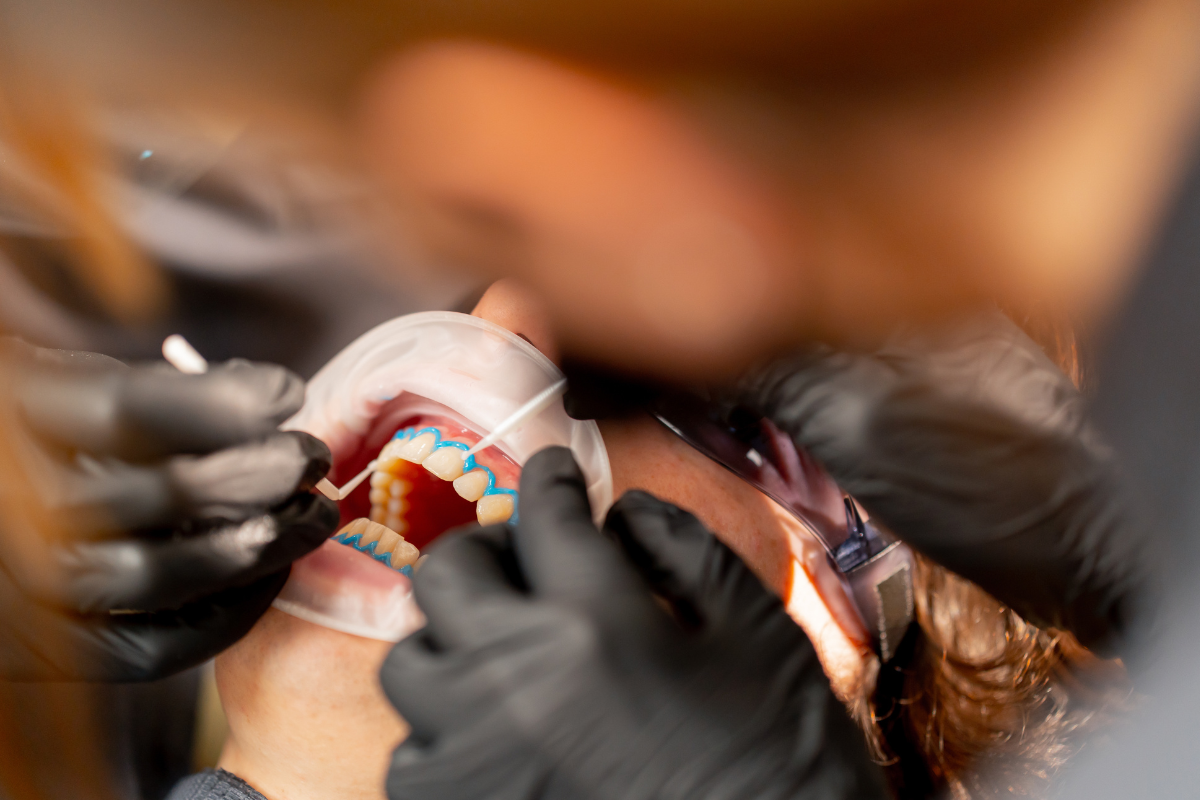
Professional treatment uses stronger gels, but your dentist protects your gums with a barrier, controls the timing, and checks your teeth beforehand. Custom trays from a dentist work differently: they hold a lower-strength gel against teeth in trays molded to your mouth, so the gel stays where it belongs. That precise fit is a big reason many patients report less gum irritation.
The biggest safety advantage of a dental visit is the exam that comes first. A dentist spots cavities, cracks, and worn areas that a drugstore box can’t see.
Who Should Skip or Delay Whitening?
Whitening isn’t right for everyone at every moment. Hold off or talk with your dentist first if you:
- Have untreated cavities, gum disease, or cracked teeth. Treat those first.
- Already deal with strong sensitivity or visibly worn enamel.
- Are pregnant or nursing. Researchers haven’t studied whitening enough in these situations, so most dentists suggest waiting.
- Are under about 14. Younger teeth have larger nerve chambers and tend to react more strongly.
- Have crowns, veneers, fillings, or bonding. Restorations don’t respond to whitening gel, so whitening the natural teeth around them can leave a mismatch. Whiten first, then match your restorations to the new shade.
Gray or brown stains from certain medications, like tetracycline, also respond poorly to peroxide. Your dentist can suggest options like veneers for those cases.
How Often Can You Whiten Without Wearing Down Your Teeth?
No single schedule fits everyone, but most people do well with a touch-up once or twice a year after finishing an initial round. Many kits run for one to two weeks, so follow the box exactly and stop when it tells you to stop.
Don’t stack products. Using strips, whitening toothpaste, and trays all in the same week piles up peroxide and abrasives without giving you extra results. Give your teeth a real break between rounds, and ask your dentist to set a schedule based on your enamel thickness and sensitivity history.
How to Whiten Safely and Protect Your Enamel
- Book a checkup and cleaning first. A cleaning removes surface stain, so you see your true shade, and the exam catches trouble spots before peroxide reaches them.
- Choose products with the ADA Seal, or go through your dentist.
- Follow the timing on the label. Extra minutes add irritation, not brightness.
- Start a desensitizing toothpaste a week early. Formulas with potassium nitrate or fluoride calm nerves and strengthen enamel.
- Skip stain-heavy foods and drinks for 24 to 48 hours afterward. Coffee, red wine, tea, and soy sauce stain fastest right after treatment.
- Sip acidic drinks through a straw, and wait 30 minutes after them before you brush. Acid softens enamel briefly, and brushing too soon scrubs it away.
- Stop if you feel sharp pain. Discomfort that builds instead of fading tells you to pause.
Can Damaged Enamel Grow Back?
No. Once enamel wears away, your body can’t regrow it. Enamel has no living cells, so nothing inside your tooth can rebuild it.
Early softening, though, can repair itself. Your saliva delivers calcium and phosphate, and fluoride helps lock those minerals back into the surface. That process, called remineralization, explains why the small changes from properly used whitening usually disappear.
Watch for signs that something has gone further than a temporary reaction:
- Edges of your front teeth that look glassy or see through
- Teeth that look more yellow over time, since thinning enamel lets yellowish dentin show through
- Rough or chalky patches on the surface
- Sensitivity that lingers beyond a few days
- New chips or cracks
If you notice any of these, stop whitening and schedule an exam. Your dentist can apply fluoride varnish, seal sensitive spots, or bond worn areas before the problem grows. Brighten Your Smile Without the Sensitivity Worry
Want a whiter smile but nervous about your enamel? Skip the guesswork and get a plan built around your teeth, not a one-size-fits-all box from the drugstore. Visit our dental clinic in Sandusky, and the team at Sanilac Smiles Dental Care will check your enamel, match you with a whitening option that fits your comfort level, and show you exactly how to keep your results looking sharp. Call us or book online today, and start smiling with confidence.