

Online Patient Registration

What Are the Different Stages of Invisalign Treatment?

Invisalign treatment typically involves five main stages: initial consultation, digital treatment planning, receiving your aligners, gradually moving your teeth, and retaining your results. Each stage plays an important role in helping you achieve a straighter smile while keeping treatment comfortable and predictable. Although the exact timeline varies depending on your alignment needs, most patients follow a similar process from their first appointment to their final set of aligners.
Understanding what happens at each stage can help you feel more prepared and know what to expect throughout your orthodontic journey.
1. What Happens During the Initial Invisalign Consultation?
The first stage begins with an orthodontic evaluation. Your dentist examines your teeth, gums, bite, and overall oral health to determine whether clear aligners can address your concerns.
During this appointment, your dental provider may:
- Check for crowding, gaps, overbites, underbites, and crossbites.
- Review your dental and medical history.
- Take digital scans, photographs, or X-rays.
- Discuss your alignment goals and treatment expectations.
- Determine whether additional dental care is necessary before starting.
Not every patient is an ideal candidate for clear aligners. Some complex bite problems may require alternative orthodontic approaches.
2. How Is the Invisalign Treatment Plan Created?
Once your dentist confirms that you are a suitable candidate, the next step involves creating a personalized treatment plan.
Digital impressions help capture the shape and position of your teeth. Your dentist uses these records to map out how your teeth should move throughout treatment.
A digital treatment simulation can show:
- Your current tooth alignment.
- The planned movement of individual teeth.
- The expected final tooth positions.
- The estimated number of aligner sets.
- The approximate treatment duration.
Each aligner is designed to make specific, gradual adjustments. Your dentist reviews the plan to ensure the proposed movements support a healthy bite and realistic results.
3. When Do You Receive Your First Set of Aligners?
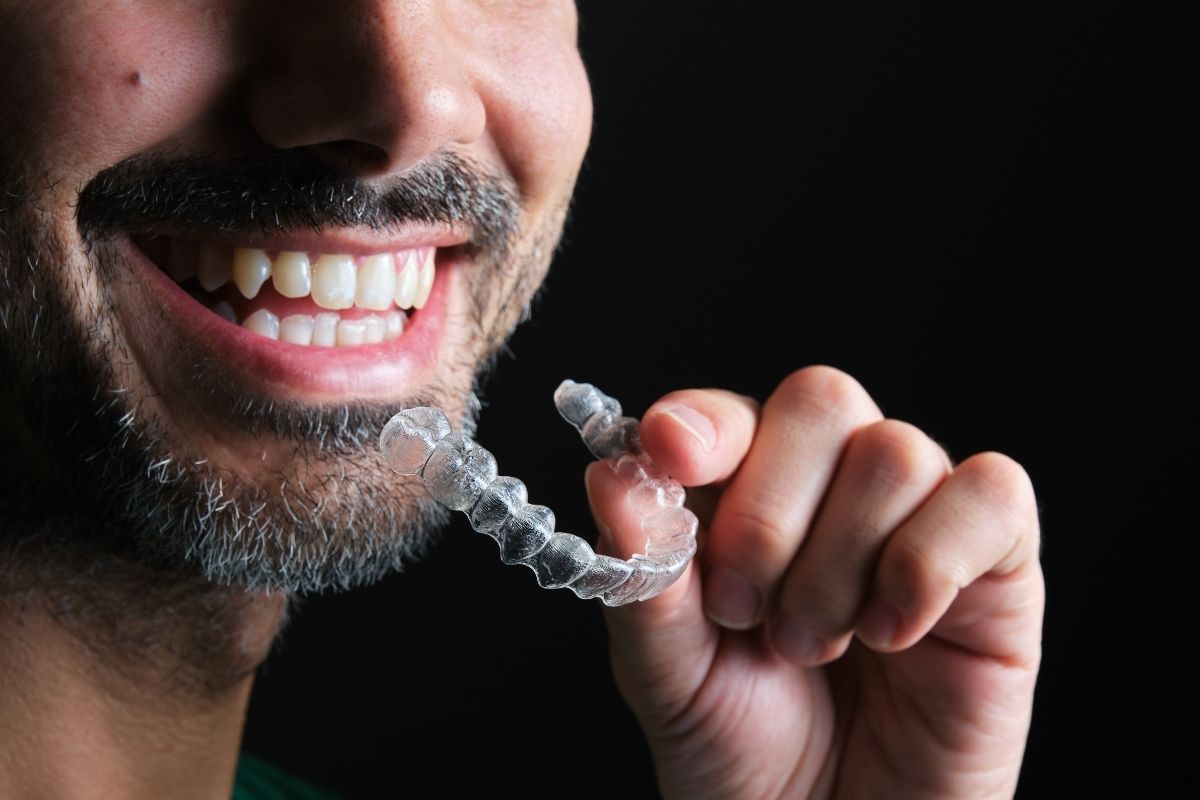
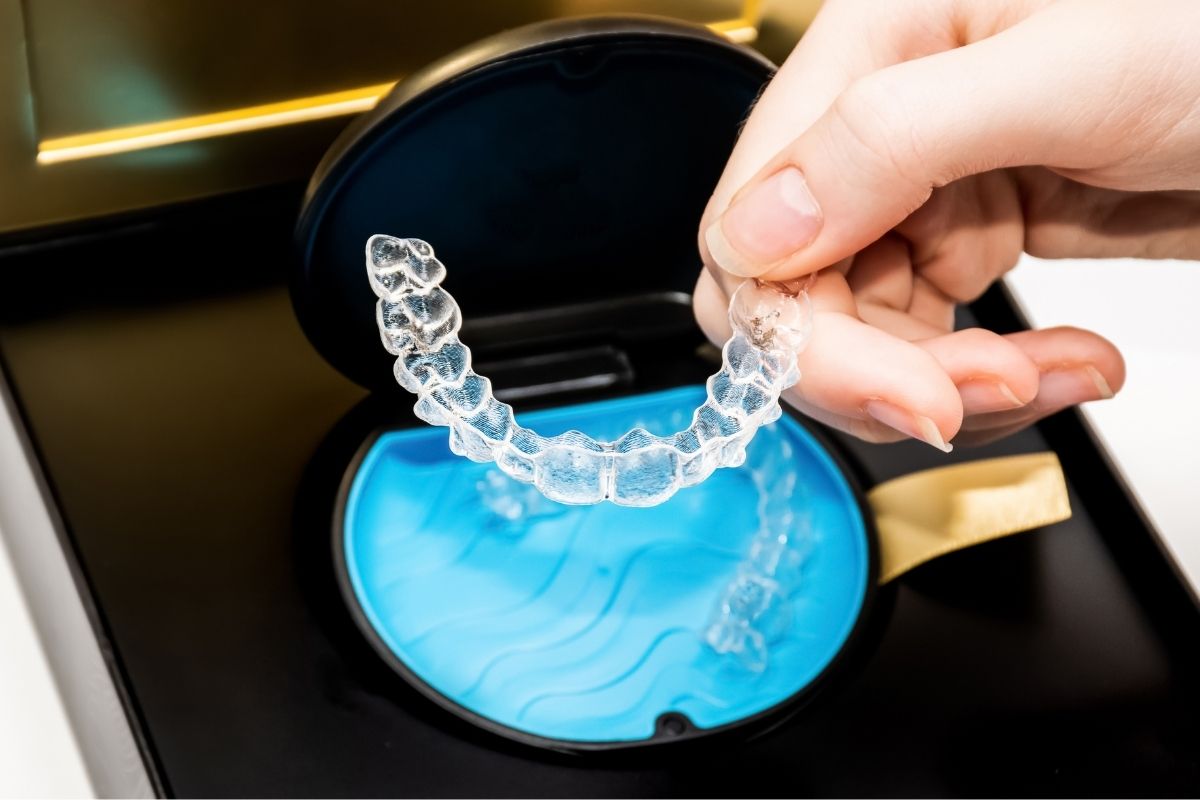
After approving your treatment plan, your custom aligners are manufactured. Once they arrive, you return to the dental office to receive your first set and learn how to use them.
Your dentist explains how to insert and remove the trays, clean them, and care for your teeth while wearing them.
Some patients also need small tooth colored attachments. These temporary additions help the aligners grip certain teeth and guide more precise movements.
You should wear your aligners for 20 to 22 hours every day, removing them mainly for eating, drinking anything other than water, and brushing and flossing.
You may notice mild pressure or tenderness when you start wearing a new set. This is generally a normal sign that the aligners are applying gentle force to move your teeth.
4. How Do Teeth Move During the Aligner Treatment Stage?
This is the longest and most active stage of the process. You gradually switch from one aligner set to the next, following your dentist’s instructions. Each new set applies controlled pressure to move your teeth closer to their planned positions.
Depending on your treatment plan, you may change aligners every one to two weeks.
During this stage, remember to:
- Wear your trays consistently throughout the day.
- Remove them before eating meals or snacks.
- Brush and floss before putting them back in.
- Clean your aligners regularly with appropriate products.
- Avoid skipping aligners or changing sets earlier than instructed.
- Attend scheduled dental checkups to monitor progress.
Your dentist may recommend refinements if certain teeth are not moving as expected. This involves additional scans and new aligners to make the necessary adjustments.
Consistency makes a significant difference. Wearing your trays for fewer hours than recommended can delay progress and affect your final results.
5. What Happens After Completing Invisalign Treatment?
Reaching the final aligner set is an important milestone, but your orthodontic care does not end there.
After your teeth reach their planned positions, your dentist checks the alignment and bite. If everything looks satisfactory, you can move to the retention stage.
Your dentist will provide retainers to help keep your teeth in their new positions.
Retainers are essential because teeth can gradually shift back toward their original positions. Your dentist will explain how often to wear them. Many patients need long-term nighttime retainer use to maintain their results.
Continue attending routine dental appointments and follow your retainer care instructions.
How Long Does Each Stage of Invisalign Treatment Take?
The duration depends on your dental condition, treatment goals, and how consistently you wear your aligners. Minor alignment concerns may take only a few months, while more complicated cases can take 18 months or longer.
Here is a general overview:
| Treatment stage | Approximate timeline |
|---|---|
| Initial consultation | One appointment |
| Digital treatment planning | A few weeks |
| Receiving aligners | After manufacturing |
| Active tooth movement | 6 to 18 months or longer |
| Retention | Long term |
These timelines are estimates. Your dentist can provide a more accurate schedule after evaluating your teeth.
Start Your Journey Toward a Straighter Smile
Knowing what happens at every stage can make orthodontic treatment feel much easier to manage. From your first consultation to wearing your retainers, following professional guidance and maintaining consistent aligner use can help you achieve lasting results.
Ready to take the next step? Visit our dental clinic in Sandusky to discuss your alignment goals, explore your treatment options, and find out whether clear aligners are right for you. Contact Sanilac Smiles Dental Care through our website to schedule your consultation and get started with a personalized treatment plan.