


Online Patient Registration

White Patch in Your Mouth: What Could It Mean?
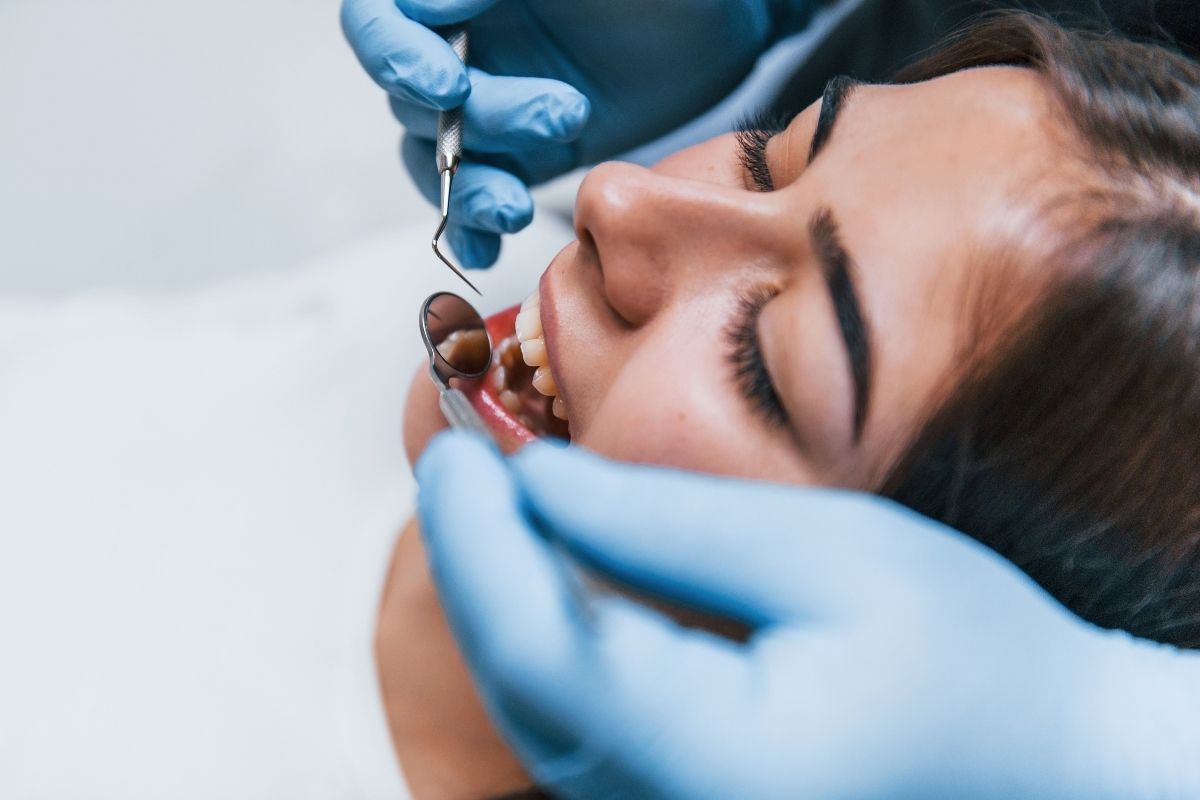
Finding a white patch inside your mouth can be surprising. While some white patches are harmless and temporary, others may be a sign of irritation, an infection, or a condition that needs prompt attention. If a patch does not go away within two weeks, becomes painful, or changes in appearance, it is important to have it evaluated instead of waiting for it to improve on its own.
Why Do White Patches Appear in the Mouth?
White patches develop when the surface tissues in your mouth react to irritation, infection, or changes in the cells. Some patches can be gently wiped away, while others stay firmly attached. The cause often depends on where the patch is located, how long it has been there, and whether you have other symptoms.
A dental professional can examine the area, ask about your symptoms, and determine whether the patch is harmless or if additional testing is needed. Getting an accurate diagnosis early can help prevent unnecessary discomfort and identify conditions that may require treatment.
Common Causes of White Patches in the Mouth
Leukoplakia
Leukoplakia appears as thick, white patches that cannot be scraped off. It is often linked to ongoing irritation from tobacco use, rough teeth, or poorly fitting dental appliances. Although many cases are not dangerous, some may contain abnormal cells that require monitoring or further evaluation.
Oral Thrush
Oral thrush is a fungal infection caused by an overgrowth of yeast. It often creates creamy white patches that may wipe away, leaving a red or sensitive surface underneath. It is more common in people who wear dentures, use inhaled steroids, or have certain medical conditions.
Friction Related Changes
Constant rubbing from a sharp tooth edge, frequent cheek biting, or an ill-fitting appliance can cause the tissues to become thicker and appear white. Removing the source of irritation usually allows the area to heal.
Oral Lichen Planus
This long-term inflammatory condition may appear as white, lace-like lines or patches inside the cheeks. Some people have no symptoms, while others experience soreness when eating spicy or acidic foods.
Other Conditions
In some cases, white patches may be linked to less common conditions, including early tissue changes that deserve careful evaluation. Any patch that persists, grows, or changes in color should never be ignored.
When Should You Be Concerned?
Seek an evaluation if you notice any of the following:
A white patch that lasts longer than two weeks
Pain, burning, or difficulty swallowing
A patch that becomes thicker or spreads
Red and white mixed areas
Bleeding without an obvious cause
A lump or sore that does not heal
Early evaluation is the safest approach, even if the patch does not hurt.
How Are White Patches Diagnosed?
Your provider will examine the affected area, review your medical history, and ask about any recent symptoms or habits that may contribute to the problem.
If the cause is not immediately clear, additional tests or a small tissue sample may be recommended. This helps confirm the diagnosis and ensures you receive the most appropriate treatment.
Treatment Depends on the Cause
There is no single treatment for every white patch. Your care plan depends on what is causing the change.
Treatment may include:
Antifungal medication for oral thrush
Eliminating sources of irritation
Monitoring harmless patches over time
Medication for inflammatory conditions
Further evaluation when abnormal tissue changes are suspected
Treating the underlying cause is more important than simply treating the patch itself.
Protecting Your Oral Health
You cannot prevent every white patch, but healthy habits can lower your risk.
Brush and floss every day.
Avoid tobacco products.
Limit alcohol if recommended by your healthcare provider.
Keep dental appliances clean and properly fitted.
Schedule routine oral examinations.
Regular checkups make it easier to detect changes before they become more serious.
Don’t Ignore a White Patch That Won’t Go Away
A white patch may be nothing more than temporary irritation, but it can also signal a condition that deserves professional care. If the area remains for more than two weeks or changes in any way, schedule an examination instead of waiting.
Visit our dental office in Sandusky if you have noticed a white patch that is not healing. The team at Sanilac Smiles Dental Care can evaluate the area, identify the underlying cause, and recommend the right next steps for your oral health. Early care can provide peace of mind and help prevent more serious problems.
Frequently Asked Questions :
1. Can a white patch in my mouth go away on its own?
Yes. White patches caused by minor irritation may disappear once the irritation is removed. If the patch lasts longer than two weeks, it should be examined.
2. Are white patches in the mouth always cancer?
No. Most white patches are not cancerous, but some can contain abnormal cells, which is why persistent patches should always be evaluated.
3. Can stress cause white patches in the mouth?
Stress alone usually does not cause white patches, but it may contribute to conditions such as oral lichen planus or increase the risk of oral health problems.
4. Can I scrape off a white patch?
Some white patches caused by oral thrush may wipe away gently. Others, such as leukoplakia, cannot be scraped off and should not be forced.
5. When should I see a dentist for a white patch?
You should schedule an appointment if the patch lasts more than two weeks, becomes painful, grows larger, or changes in appearance.