

Online Patient Registration

How Invisalign Moves Teeth Over Time: Step by Step Guide
A straighter smile does not happen overnight. It is a gradual, carefully planned process that guides your teeth into better positions over time. Understanding how clear aligner treatment works can help you stay consistent and confident throughout the journey. When you know what is happening at each stage, it becomes easier to trust the process and stick with it.
The Science Behind Tooth Movement
Teeth are not fixed in place as tightly as they seem. They sit in bones that can adapt when gentle pressure is applied over time. Clear aligners use this principle to guide movement in small, controlled steps.
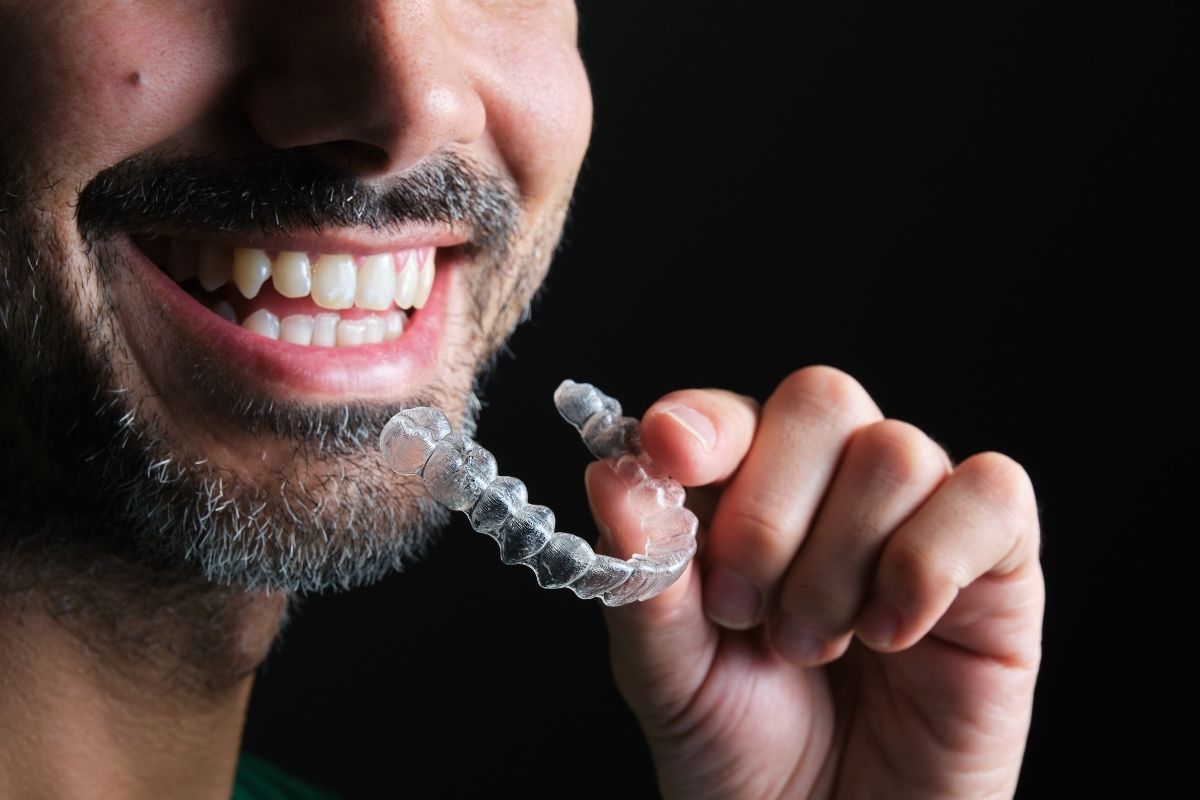
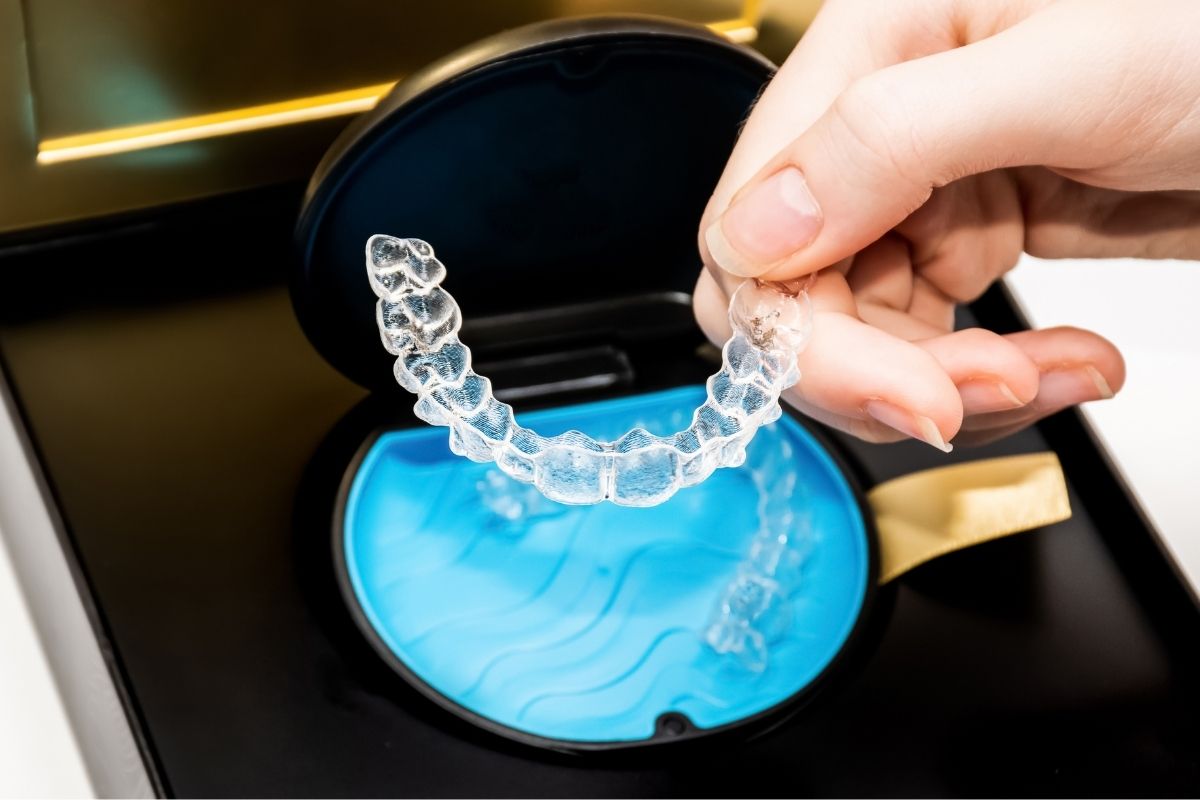
In the early phase, your dentist designs a treatment plan using digital scans. Each set of trays is designed to apply just enough force to move specific teeth. When you wear a custom-fit aligner, it applies steady pressure that signals the bone around your teeth to reshape. This allows teeth to shift safely into their new positions.
As you switch to the next set of trays, the process repeats. Each aligner builds on the last movement, keeping everything on track.
Step-by-Step Progress of Your Treatment
Step 1: Digital Planning and Mapping
Your journey begins with a detailed scan of your teeth. This scan creates a digital roadmap of how your smile will change over time. Every movement is planned in advance, down to the smallest shift.
Step 2: First Aligners and Initial Adjustment
When you start wearing your first trays, you may feel slight pressure. This is a sign that the aligners are working. During this phase:
Teeth begin minor alignment changes
Your mouth adjusts to wearing trays daily
Speech and comfort improve within a few days
Step 3: Active Tooth Movement
This is where the real transformation happens. With each new set of aligners:
Teeth gradually shift into better alignment
Spacing and crowding improve
Bite begins to correct itself
Consistency matters most here. Wearing aligners for the recommended hours each day helps maintain steady progress.
Step 4: Refinement Phase
Sometimes small adjustments are needed near the end of treatment. Additional trays may fine-tune the final positions for better precision.
Step 5: Retention and Stability
Once treatment ends, retainers help maintain your results. Teeth can shift back if not supported, so this step is essential for long-term success.
What Affects How Fast Teeth Move
Not every smile moves at the same pace. Several factors influence how quickly you see results:
Consistency of wear
Wearing aligners as directed keeps treatment on schedule
Complexity of alignment issues
Minor spacing corrects faster than severe crowding
Age and bone response
Younger patients may notice quicker changes, but adults respond well to them too
Oral health condition
Healthy gums and teeth support smoother movement
What Patients Usually Notice Over Time
Most people begin to see subtle changes within a few weeks. Over time, these small improvements add up to a noticeable transformation.
You may experience slight tightness when switching trays, but this typically fades within a day or two. Many patients also find that their confidence grows as their smile gradually improves.
Ready to See Your Smile Change?
Your smile transformation starts with a plan that fits your needs and your lifestyle. If you are thinking about improving your alignment, now is a great time to take the first step.
• Get a personalized evaluation tailored to your smile goals
• Learn what your treatment timeline could look like
• Start a process that is designed for comfort and flexibility
Visit our dental office in Sandusky to explore your options and take the next step toward a confident smile. At Sanilac Smiles Dental Care, we are here to guide you through every stage of your journey in Sandusky with care that feels straightforward and supportive.
FAQs :
How long does treatment usually take?
Most cases take several months to a couple of years, depending on the complexity.
Do aligners hurt?
You may feel mild pressure when starting a new tray, but it is usually brief and manageable.
Can I remove aligners anytime?
Yes, but they should be worn most of the day for effective results.
Will people notice I am wearing them?
They are designed to be subtle, so most people will not notice unless you point them out.
What happens if I skip wearing them?
Skipping time can delay progress and affect final results.