

Online Patient Registration

Health Risks of Untreated Sleep Apnea: What You Need to Know
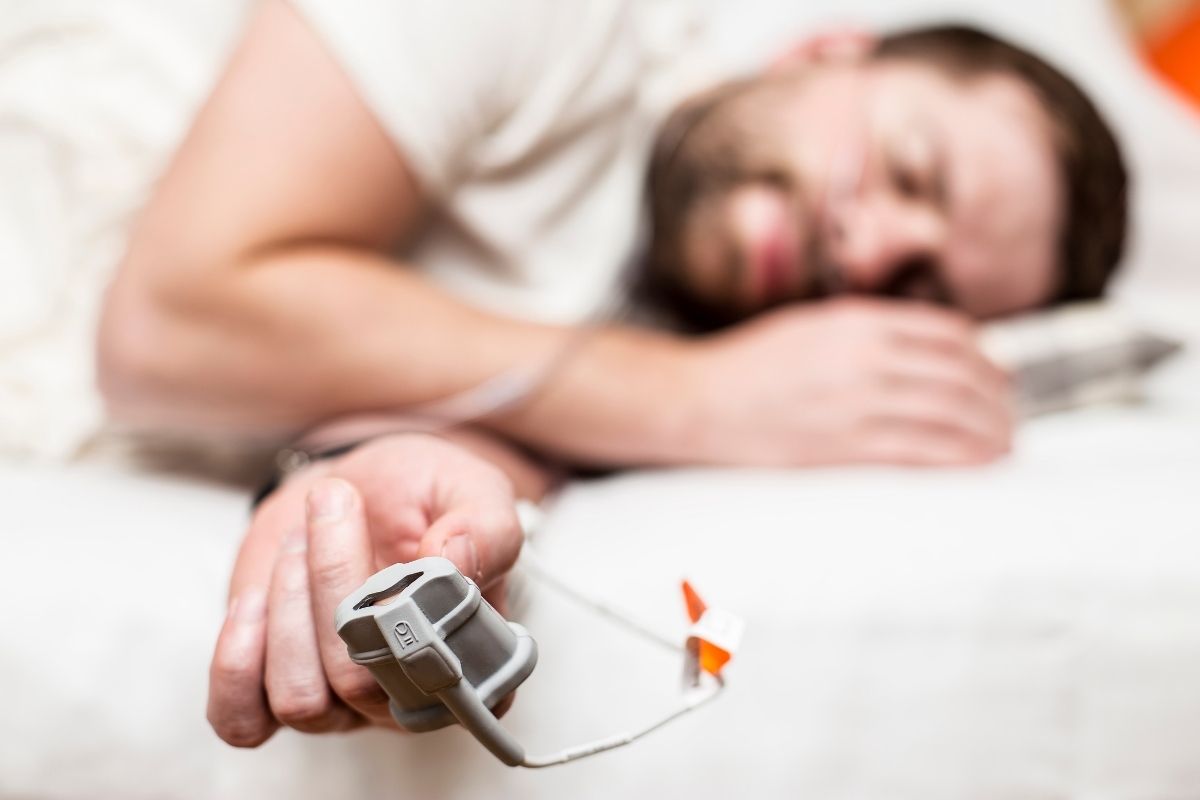
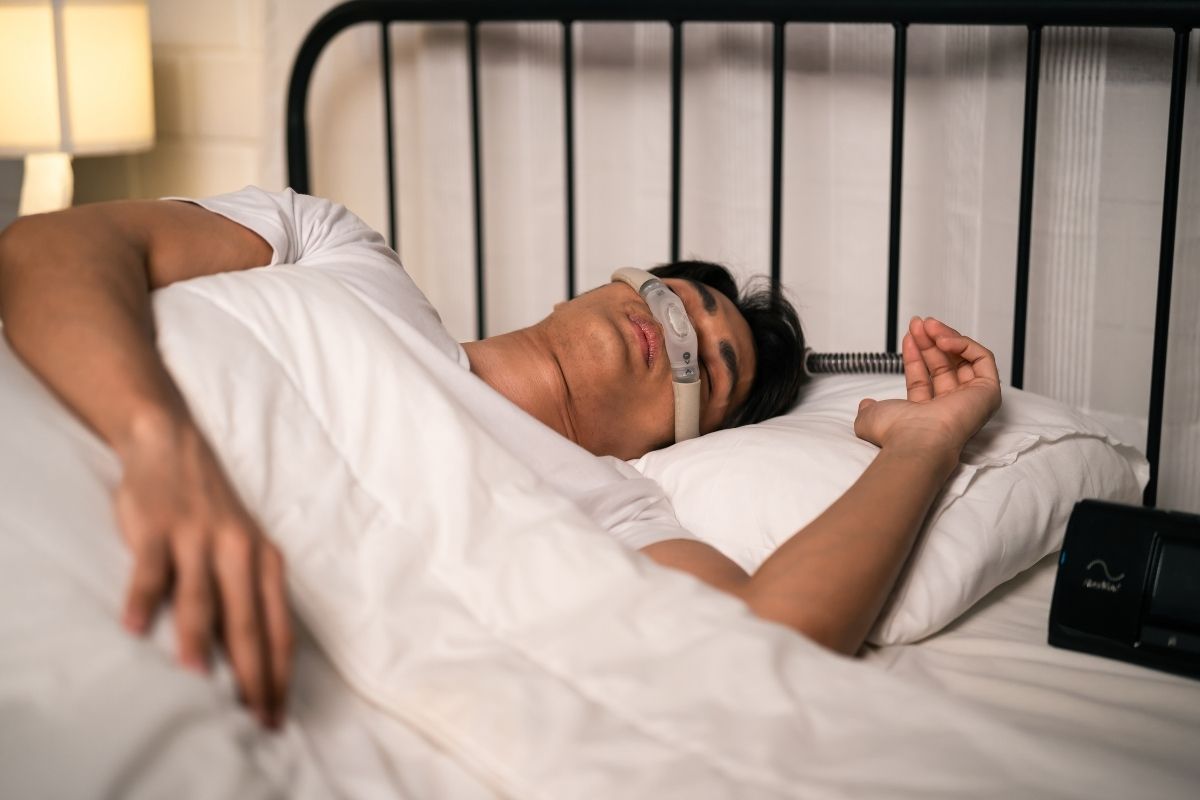
Sleep apnea often goes unnoticed, yet it can quietly affect your overall health and quality of life. Many people think of it as just loud snoring, but the reality is far more serious. When breathing repeatedly stops during sleep, your body is forced to work harder to get enough oxygen. Over time, this can lead to long-term health concerns that go beyond restless nights.
Ignoring the condition can make symptoms worse and increase the chances of complications. Seeking timely sleep apnea treatment can help restore proper breathing patterns and protect your overall well-being.
How Untreated Sleep Apnea Affects Your Body
Sleep apnea does not stay limited to disrupted sleep. It impacts multiple systems in your body and can gradually take a toll on your health.
Heart Health Concerns
When oxygen levels drop during sleep, your heart has to work harder to pump blood. This repeated strain can increase the risk of high blood pressure, irregular heart rhythms, and even heart disease.
Daytime Fatigue and Brain Function
Interrupted sleep prevents your body from reaching deeper, restorative stages of rest. This often leads to constant fatigue, poor concentration, and memory issues. Many people also notice mood changes, including irritability and anxiety.
Metabolic and Weight Issues
Sleep apnea can interfere with how your body regulates hormones that control hunger and metabolism. This may lead to weight gain and make it harder to maintain a healthy lifestyle.
Warning Signs You Should Not Ignore
Recognizing the symptoms early can make a significant difference. Some common signs include:
- Loud and persistent snoring that disrupts sleep
- Gasping or choking sensations during the night
- Morning headaches or dry mouth
- Difficulty staying asleep
- Feeling tired even after a full night in bed
If these symptoms sound familiar, it may be time to seek professional guidance.
Long-Term Risks of Leaving Sleep Apnea Untreated
When sleep apnea goes untreated, the risks can build over time. Here is what you should be aware of:
- Increased risk of heart attack and stroke due to ongoing oxygen deprivation
- Higher chances of developing type 2 diabetes
- Reduced immune function, making it harder to fight off illness
- Greater risk of accidents caused by drowsy driving or lack of focus
- Strain on relationships due to poor sleep quality and irritability
These risks highlight why early diagnosis and proper care matter.
Why Early Action Makes a Difference
Addressing sleep apnea early can improve both your sleep and your overall health. Treatment options today are more comfortable and tailored to individual needs. Many patients notice better energy levels, improved focus, and a more restful night’s sleep once they begin managing the condition.
If you are in Sandusky and have been dealing with ongoing fatigue or disrupted sleep, it is worth having a conversation with a dental professional who understands airway-related concerns. Taking that first step can help prevent more serious issues down the road.
Take the First Step Toward Better Sleep
Better sleep is not just about comfort. It is about protecting your long-term health. If you have been noticing signs of disrupted sleep, it may be time to act.
At Sanilac Smiles Dental Care, we are here to help you take control of your sleep health with personalized care that fits your needs.
• Get evaluated for symptoms that may be affecting your sleep
• Explore comfortable solutions designed for your lifestyle
• Improve your energy, focus, and overall wellness
Visit our dental office in Sandusky and take the first step toward healthier, more restful nights.
FAQs :
Is sleep apnea only a problem for older adults?
No. It can affect people of all ages, including children and young adults.
Can sleep apnea go away on its own?
In most cases, it does not resolve without proper care and management.
Is snoring always a sign of sleep apnea?
Not always, but loud and frequent snoring can be a strong indicator.
Can dentists help with sleep apnea?
Yes. Dental professionals can offer oral appliance options that support better airflow during sleep.