

Online Patient Registration

Replacing Missing Teeth: Dental Implants vs Bridges Explained
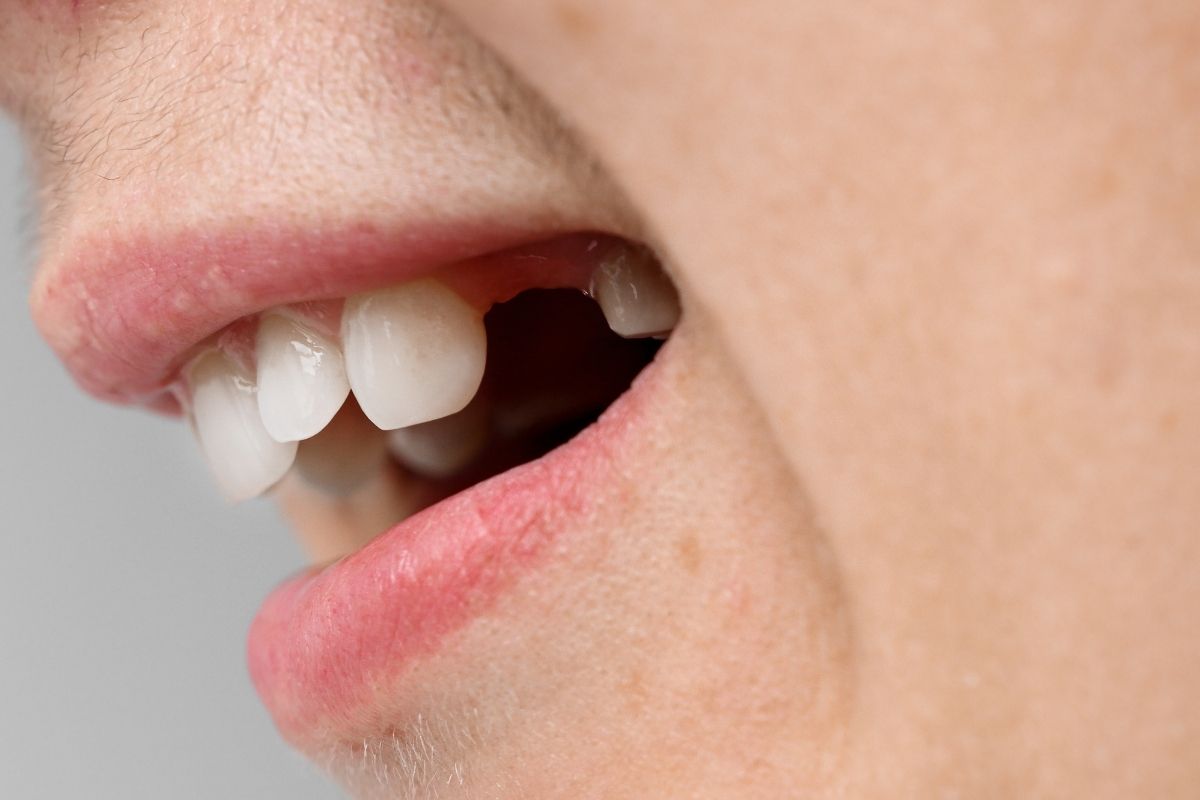
Missing teeth can change more than just your smile. They can affect how you chew, how you speak, and even how confident you feel in social settings. The good news is that modern dentistry offers reliable ways to restore both function and appearance. Two of the most common options are dental implants and dental bridges. Understanding how they work can help you make a decision that fits your lifestyle and long-term oral health goals.
In today’s world of restorative dental procedures, patients have more control than ever over how they rebuild their smiles. The right choice depends on your needs, your bone health, and how you want your teeth to feel and function every day.
What Are Dental Implants and Bridges?
Dental Implants
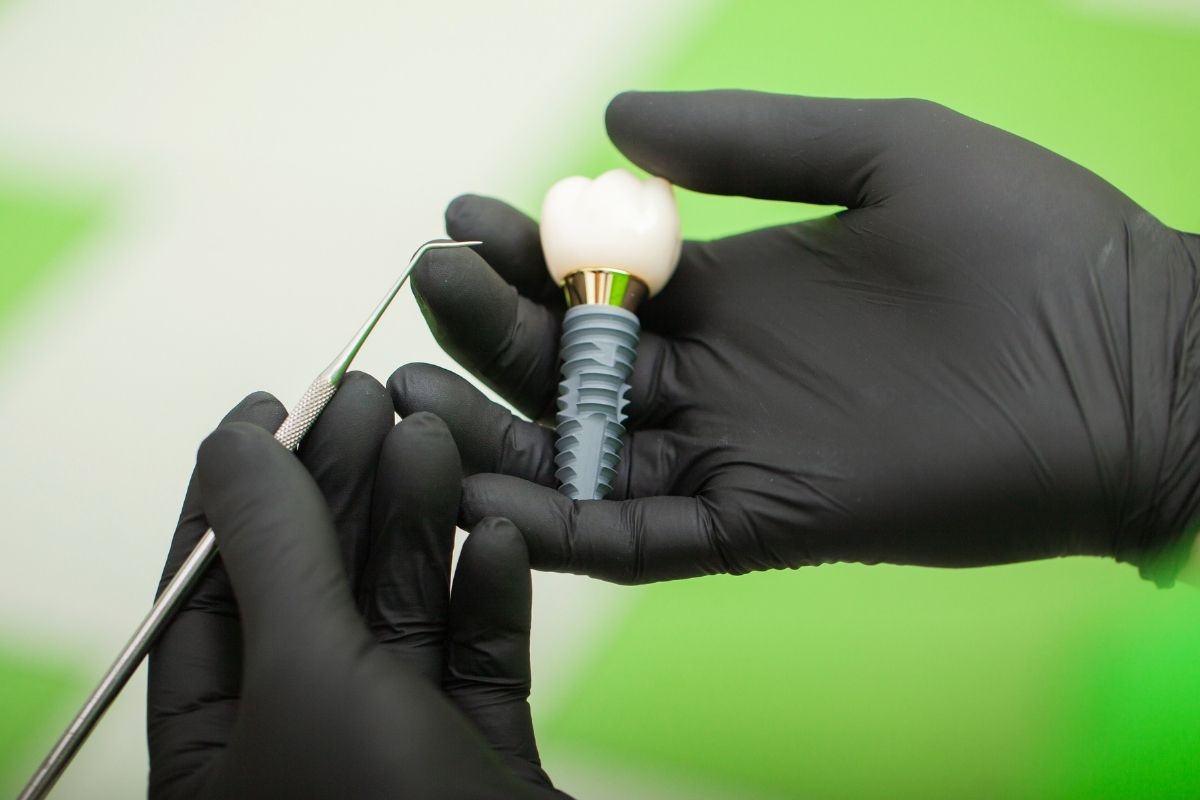
A dental implant replaces the root of a missing tooth. Your dentist places a small titanium post into the jawbone, where it fuses naturally over time. Once healed, a custom crown sits on top, giving you a tooth that looks and feels close to natural.
Dental Bridges
A dental bridge fills the gap left by one or more missing teeth. It uses the neighboring teeth as support. These adjacent teeth are shaped to hold crowns, which anchor the artificial tooth in place.
Key Differences That Matter
Longevity and Durability
Implants are designed to last many years, often decades, with proper care. Bridges typically need replacement sooner, especially if the supporting teeth wear down over time.
Impact on Surrounding Teeth
Implants stand on their own and do not rely on nearby teeth. Bridges require reshaping healthy teeth to act as anchors, which can weaken them over time.
Bone Health
Implants stimulate the jawbone, helping prevent bone loss. Bridges do not provide this benefit, which may lead to gradual changes in facial structure.
Procedure and Healing Time
Implants involve a surgical step and require healing time before the final crown is placed. Bridges can often be completed faster, making them a quicker solution for some patients.
When a Bridge May Be the Right Fit
Sometimes a bridge is the better choice, especially when:
You want a faster solution with fewer appointments
The surrounding teeth already need crowns
Bone density is not strong enough for implant placement
You prefer a non-surgical approach
Bridges can still provide excellent function and a natural appearance when planned carefully.
Why Many Patients Choose Implants
Dental implants have become a popular choice for several reasons:
They feel stable and secure while eating and speaking
They help maintain natural jawbone structure
They do not rely on other teeth for support
They offer a long-term solution with proper care
For many patients, implants provide a sense of normalcy that closely matches natural teeth.
Making the Right Choice for Your Smile
Choosing between implants and bridges is not just about cost or convenience. It is about your long-term oral health, comfort, and confidence. A thorough dental exam, including imaging and a discussion of your goals, helps determine the best option for you.
Every smile is different, and what works for one person may not work for another. The key is to choose a solution that supports both your current needs and your future oral health.
Ready to take the next step toward a confident smile? At Sanilac Smiles Dental Care, we help patients in Sandusky explore personalized solutions for missing teeth. Whether you are considering implants or a bridge, our team will guide you with honest advice and expert care. Schedule your consultation today and start your journey toward a healthier smile in Sandusky.
FAQs :
Are dental implants painful?
Most patients report minimal discomfort. Dentists use local anesthesia, and recovery is usually manageable.
How long do bridges last?
Bridges typically last between 7 and 15 years with good oral hygiene and regular dental visits.
Can anyone get dental implants?
Most adults qualify, but healthy gums and adequate bone support are important factors.
Which option looks more natural?
Both can look natural, but implants often feel more like real teeth because they are anchored in the jaw.