

Online Patient Registration

Daily Habits That Can Affect Your Dental Restoration
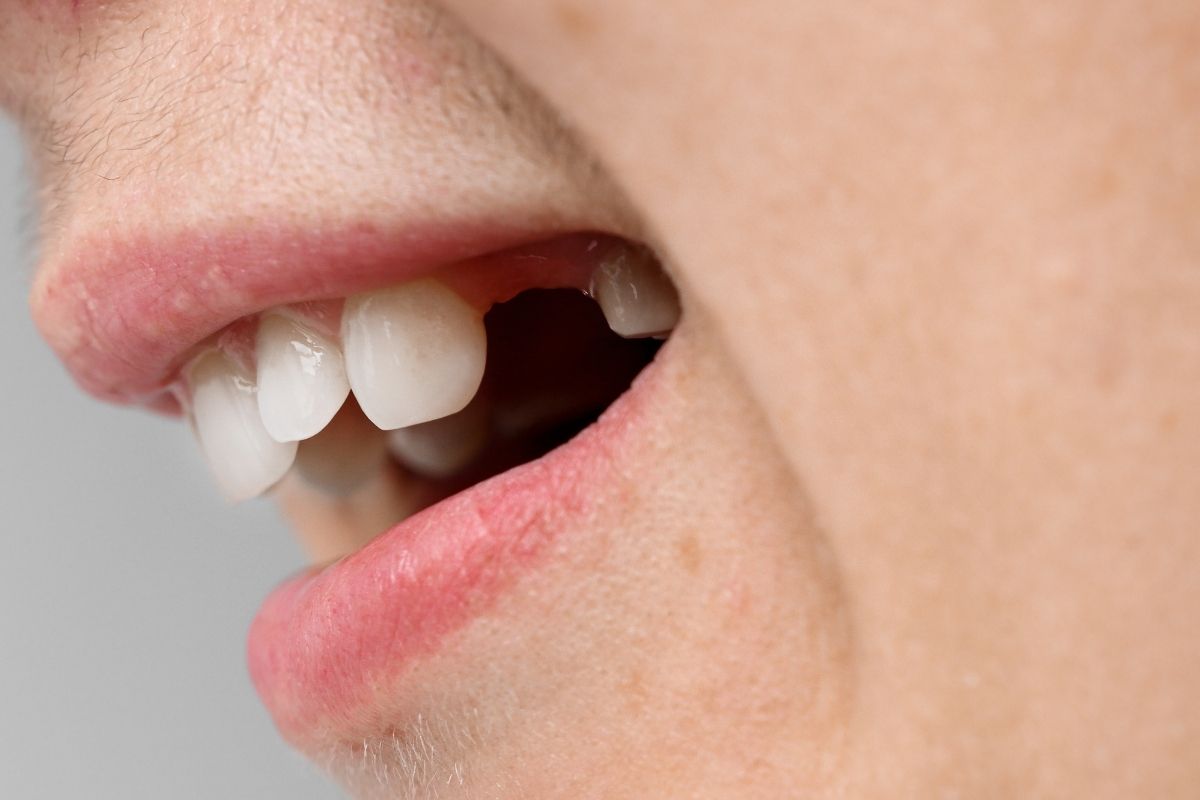
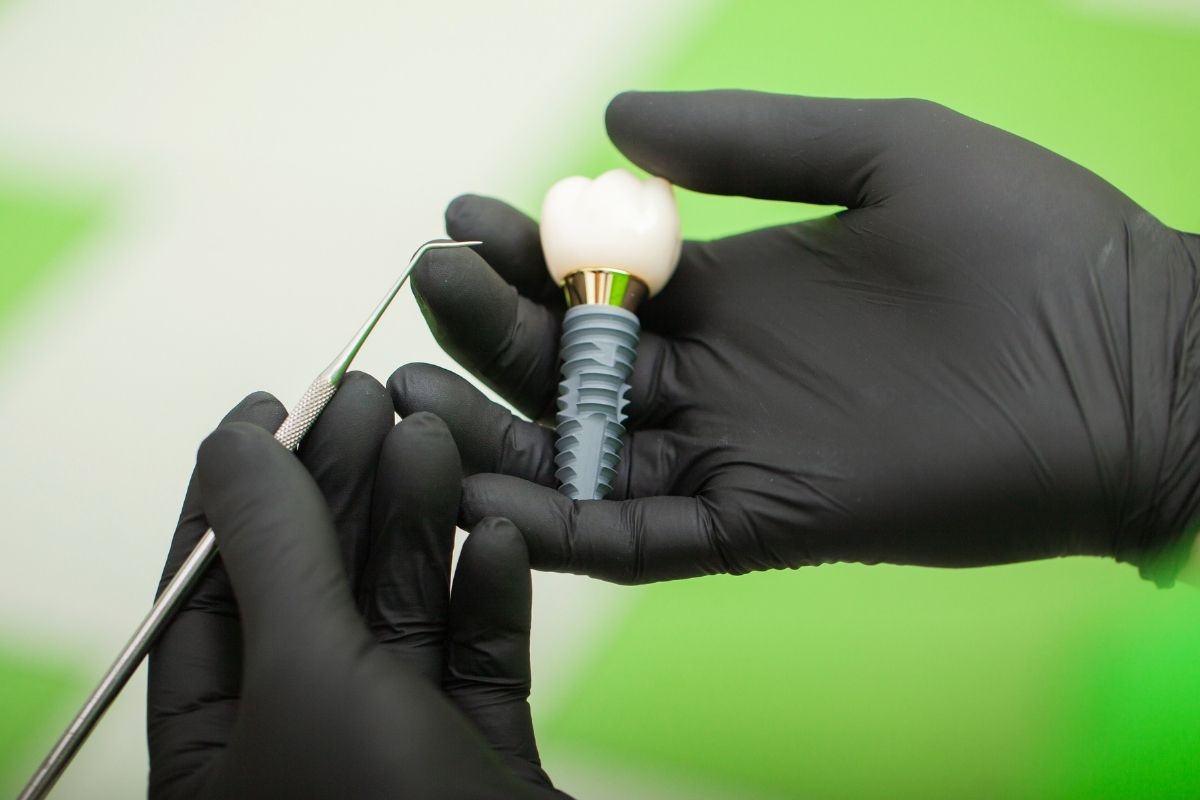
When you’ve invested in a dental restoration, whether it’s a crown, bridge, or filling, the goal is to enjoy a healthy, functional, and beautiful smile for years. But maintaining your dental work goes beyond routine brushing and flossing. Everyday habits can quietly undermine your restoration, leading to discomfort, damage, or the need for costly repairs. Understanding these habits and making small adjustments can help your smile stay strong and confident.
How Everyday Habits Impact Your Smile
Your teeth work hard every day, and dental restorations are no different. While restorations are designed to mimic natural teeth, certain habits can place unnecessary stress on them. Over time, this can lead to chips, cracks, or weakening of the materials. Let’s explore the most common habits that can affect your dental restoration.
Crunching and Chewing Hard Foods
One of the biggest threats to restorations is chewing hard items. Biting into ice, hard candy, or unpopped popcorn kernels can cause fractures in crowns and fillings. Even seemingly harmless actions like cracking nuts or opening packages with your teeth put pressure on your dental work.
Tip: Use scissors or nutcrackers instead of your teeth, and enjoy crunchy snacks in moderation.
Teeth Grinding and Clenching
Bruxism, or teeth grinding, often happens during sleep and can wear down restorations faster than regular chewing. It can also cause jaw discomfort and uneven wear on your natural teeth.
Prevention: Ask your dentist about a night guard if you notice jaw pain or worn-down teeth. Protecting your restoration while you sleep is one of the easiest ways to extend its lifespan.
Staining Foods and Drinks
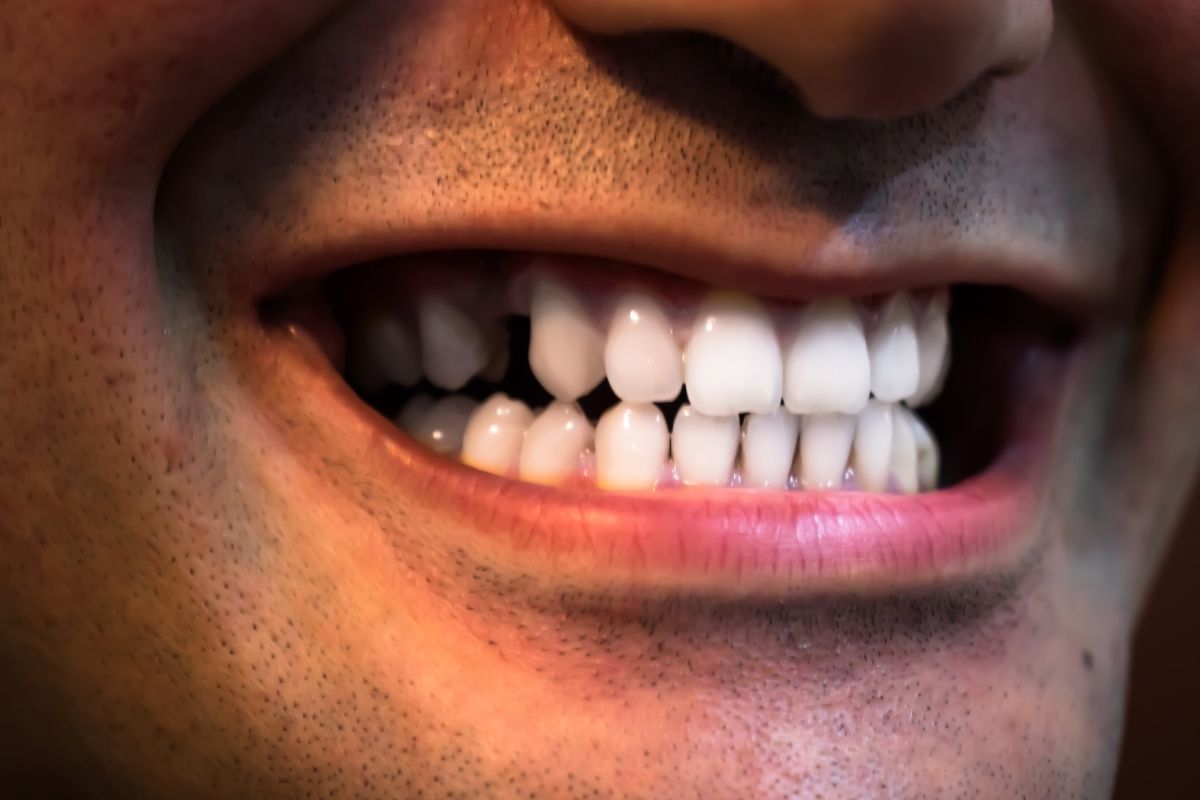
While dental restorations resist decay, they are not immune to stains. Frequent coffee, tea, red wine, or dark sauces can discolor restorations over time. This may not affect function but can impact the appearance of your smile.
Tip: Rinse your mouth with water after consuming staining beverages and consider using a straw to minimize contact.
Daily Practices That Strengthen Your Restoration
Incorporating certain habits into your routine can significantly extend the life of your dental restoration.
- Brush Gently but Thoroughly: Use a soft-bristled toothbrush and fluoride toothpaste to clean your teeth and restorations without damaging them.
- Floss Carefully: Slide floss gently around restorations to avoid dislodging or loosening them.
- Stay Hydrated: Saliva protects your teeth and restorations. Drinking plenty of water helps wash away food particles and acids.
- Regular Dental Checkups: Your dentist can detect early wear or issues with restorations before they become major problems.
Habits to Avoid for a Long-Lasting Smile
Beyond what you should do, being aware of habits to avoid is equally important.
- Nail Biting: Adds unnecessary pressure on restorations.
- Chewing Non-Food Items: Pens, pencils, or fingernails can damage dental work.
- Ignoring Discomfort: Persistent sensitivity or pain may signal that a restoration needs attention.
- Skipping Dental Visits: Regular professional care ensures your restorations remain secure and functional.
Protect Your Smile with Expert Care
Your dental restoration is an investment in your health and confidence. Simple changes in daily habits can make a significant difference in its longevity. Don’t wait until a minor issue becomes a major problem. Visit our dental clinic in Sandusky to have your restorations checked and get personalized guidance on maintaining a strong, beautiful smile. At Sanilac Smiles Dental Care, we make it easy to keep your smile looking and feeling its best every day.
FAQs :
Q: Can my dental restoration get damaged if I eat normally?
A: Normal eating is safe, but biting very hard foods can create stress. Moderation and mindful chewing help preserve your dental work.
Q: How often should I visit the dentist after getting a restoration?
A: Most restorations should be checked every six months during routine dental visits to catch early signs of wear or damage.
Q: Is it normal for my restoration to feel different from natural teeth?
A: Yes, a new crown or filling may feel slightly different at first. This usually adjusts within a few days to weeks.
Q: Can whitening treatments affect my restoration?
A: Professional whitening does not change the color of restorations. Avoid over-the-counter whitening on restorations to maintain a consistent shade.